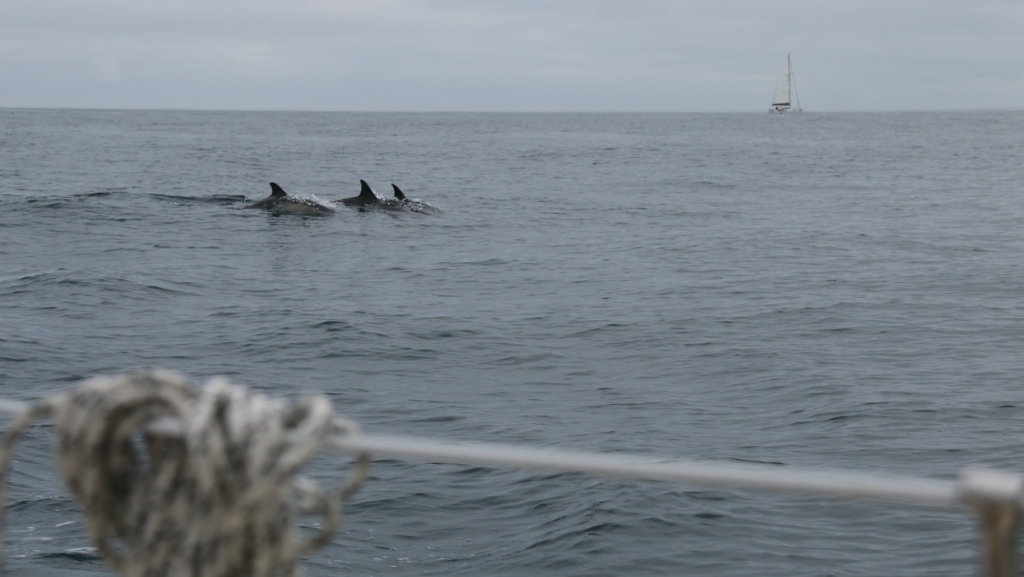
After a restless night at the mooring buoy in St. Mary’s, we set off at 5:30 a.m. with the first light and the ebb tide. Over the past few days, I’d been very preoccupied with the weather and had been making myself crazy over whether it would be better to sail directly from here to Madeira (most probably considering the prevalent weather), but I ultimately decided against it. There was a light tailwind, so we sailed goosewinged. Unfortunately, the swell kept getting stronger and was coming more from the side, even though the wind direction hadn’t changed, so the sails soon started flapping so hard that I had to reef them down quite a bit. We were now moving pretty slowly, but at least we were heading in the right direction. Toward evening, we were once again accompanied by dolphins. Somehow, that never gets boring and is always great fun.
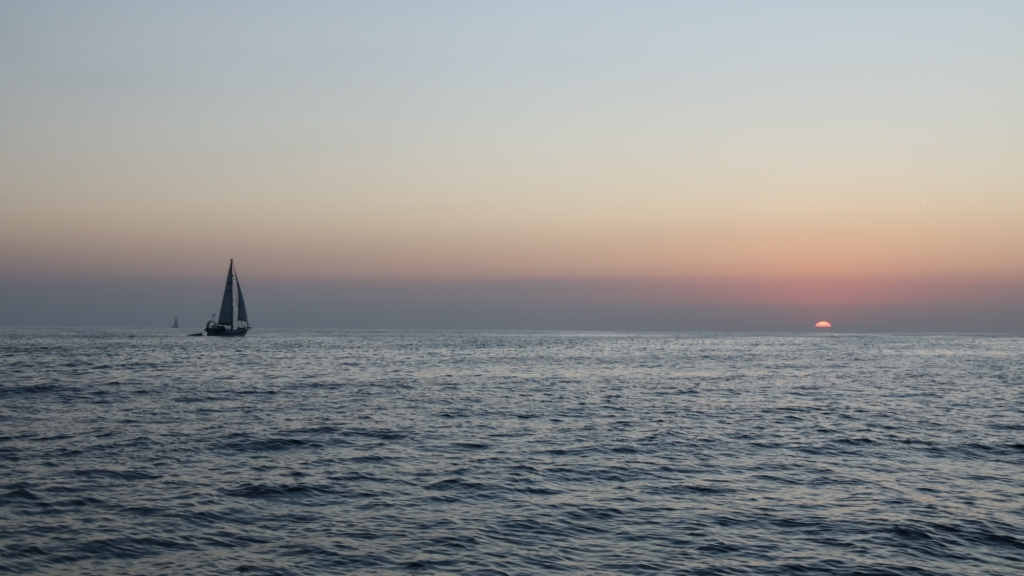
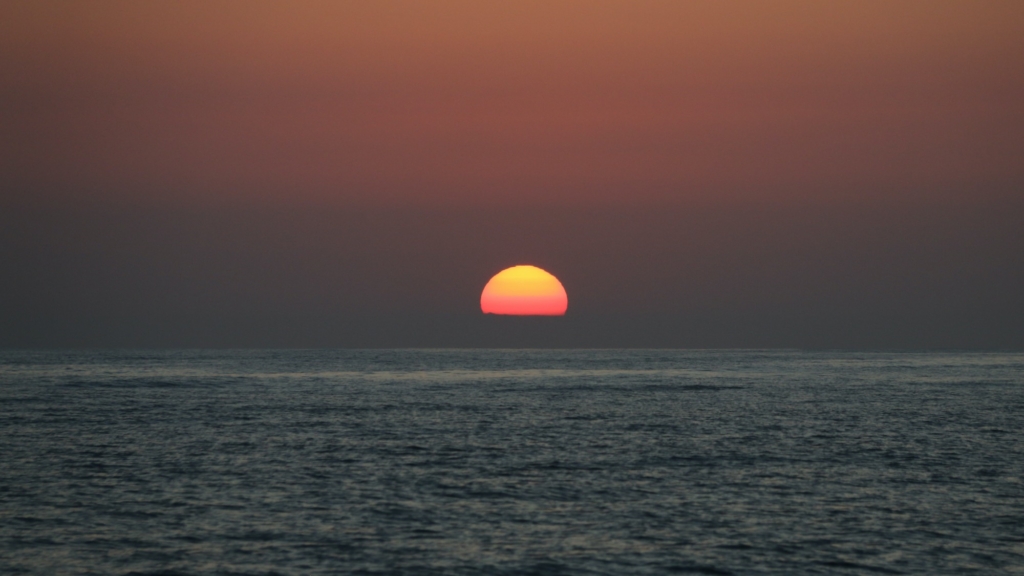

We absolutely had to catch the favorable tide in the Chenal du Four between Ouessant and the mainland, because—especially now during spring tides—the current is so strong there that we wouldn’t stand a chance sailing against it. But first, we had to cross a massive shipping lane (where the English Channel flows into the Atlantic). Of course this had to be done in the middle of the night and was quite an experience.
For the final few hours before reaching the Chenal du Four, we had to start the engine. The wind had almost completely died down, and we didn’t have time for experiments—unless we wanted to wait 12 hours (which we didn’t).
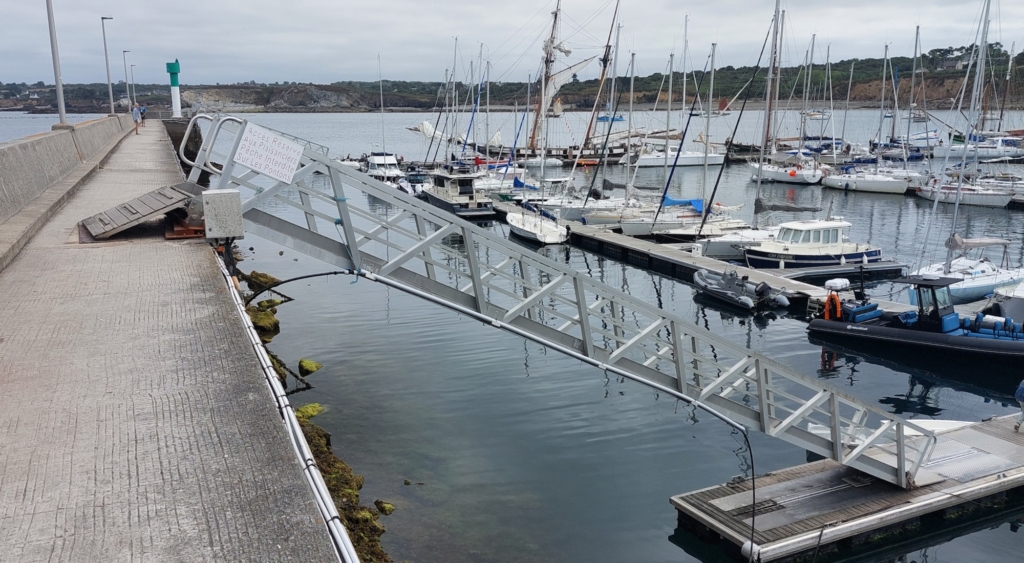
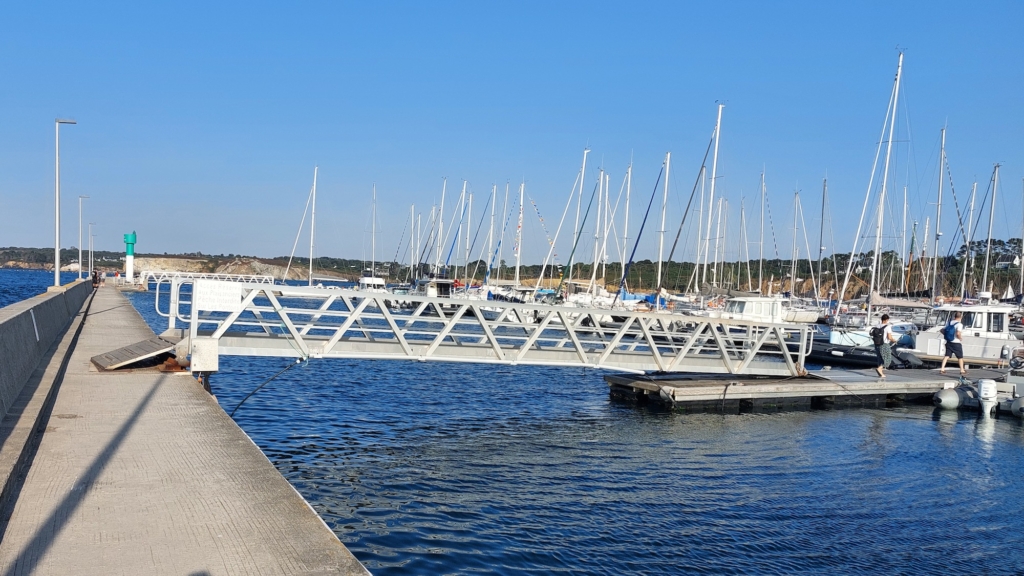
Just around the corner at the Rade de Brest, the wind picked up again, and we were able to sail the last few hours in the sunshine all the way to Camaret. When I started to hear boats reporting to the Camaret harbor master’s office on Channel 09 about every 5 minutes to request a berth, it occurred to me that I hadn’t called ahead to ask this time. The last time I was here, there was so much space that I’d somehow assumed I’d find something anyway.

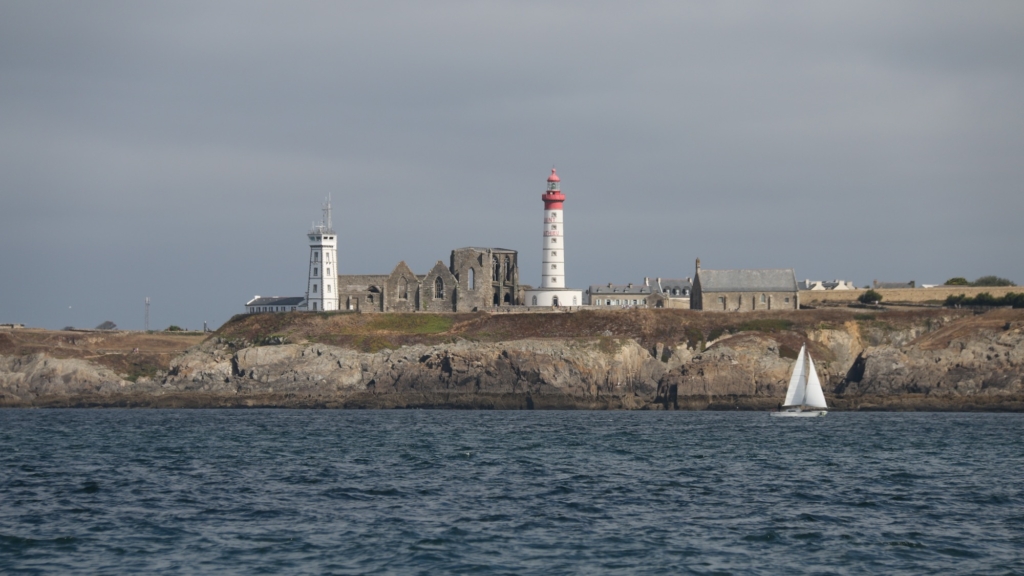
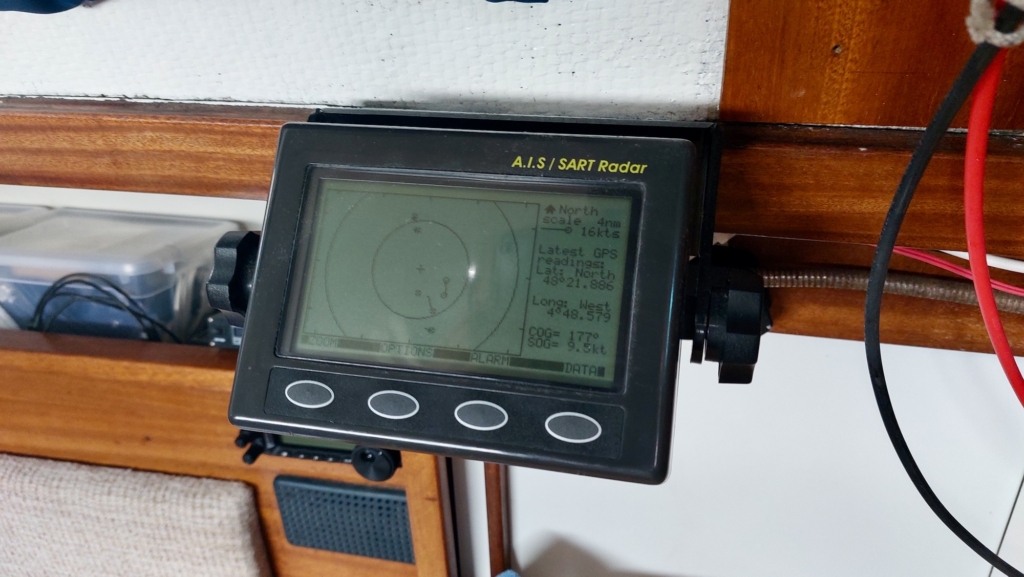
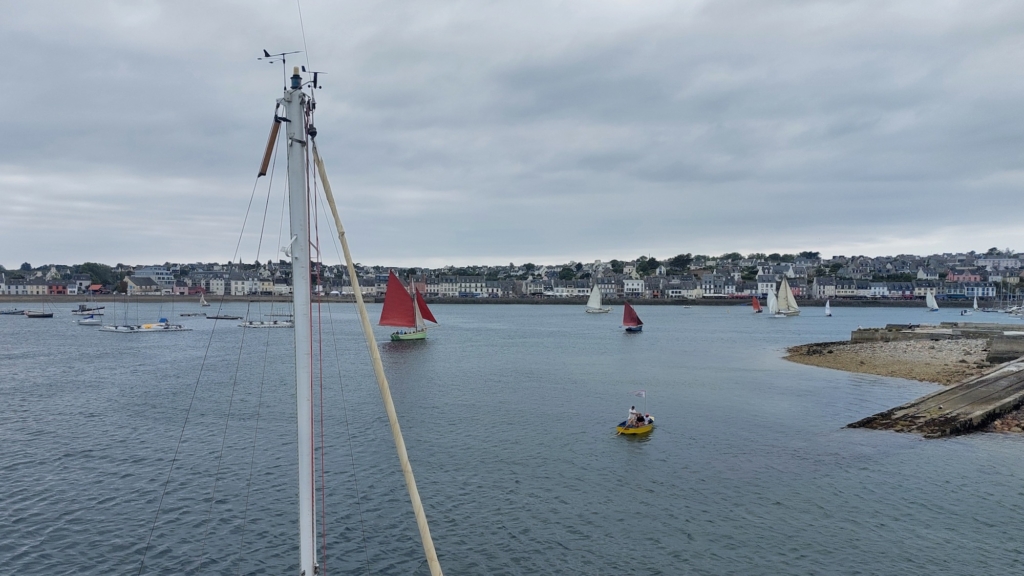
The harbor entrance looked like a regatta starting line. I started to feel a bit uneasy. I had firmly resolved to at least try to radio the harbor in French, because that’s what everyone else was doing. But by then I was so nervous that I immediately abandoned this noble plan. It was impressive how the harbor master, alone in a dinghy with a handheld vhf, could remain so friendly and relaxed amid the flood of requests and the chaos (the wind in the harbor had picked up to 20 knots by then)—and communicating in English worked fine, too. There was still a spot left for my little 8-meter boat. I think the space was exactly 8 meters long, squeezed between two other boats. When I saw where I was supposed to go, I immediately started having second thoughts. “…say Kai …sailing another 4–5 hours against the current into Brest might actually be kind of nice…” My facial expressions or body language must have given me away somehow. The kind harbor master told me not to worry—if anything went wrong, he’d push me with his dinghy. I had already begun my docking maneuvre now and there was no turning back. Two helpers were already waiting at the dock. Everything went well, and I even got some praise.
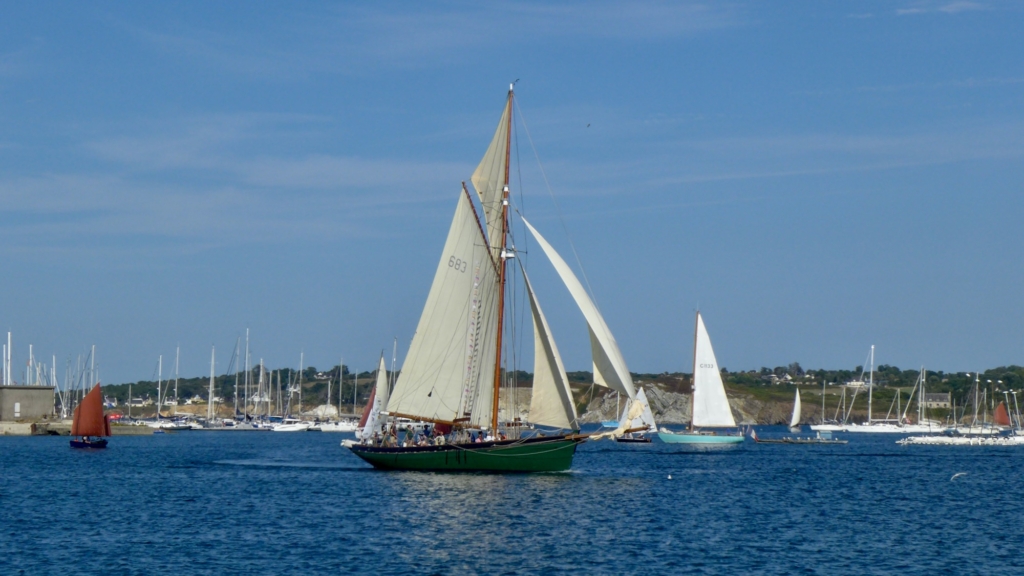
The office didn’t open until the afternoon, so I lay down for a bit until then. I hadn’t gotten any sleep at all during those 30 hours. Once there, I found out that the annual “Les Voiles de Camaret” sailing festival was starting today. It’s probably a bit like sailing into Düsternbrook marina during “Kiel Week”, wondering why there’s no space left and what all those boats are doing there. In any case, I got really lucky again.
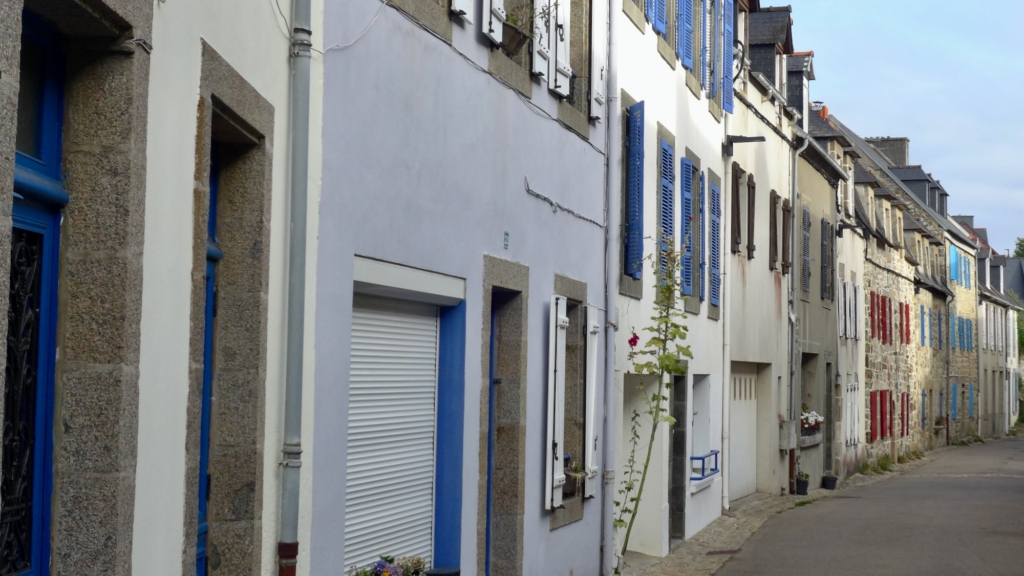
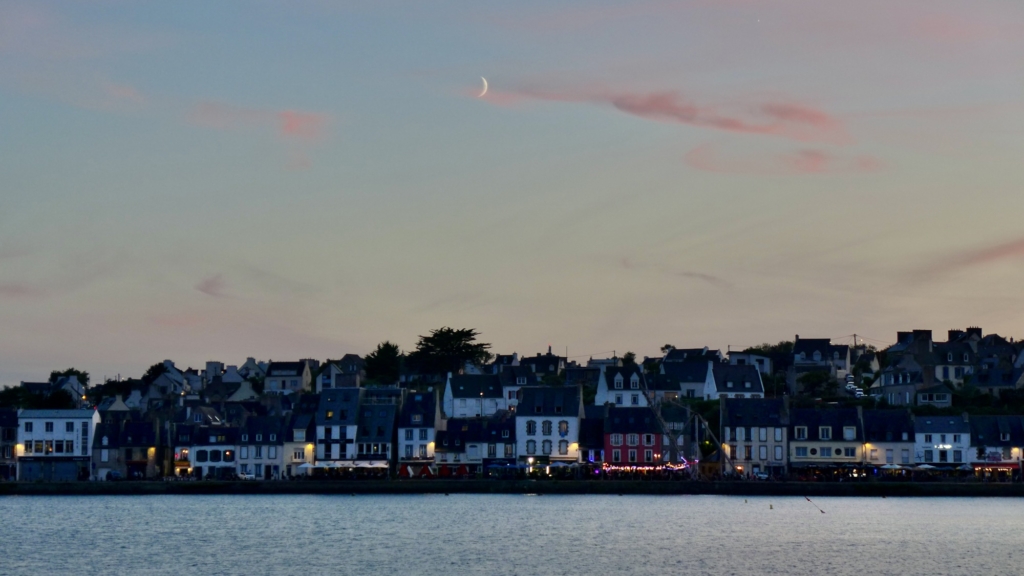
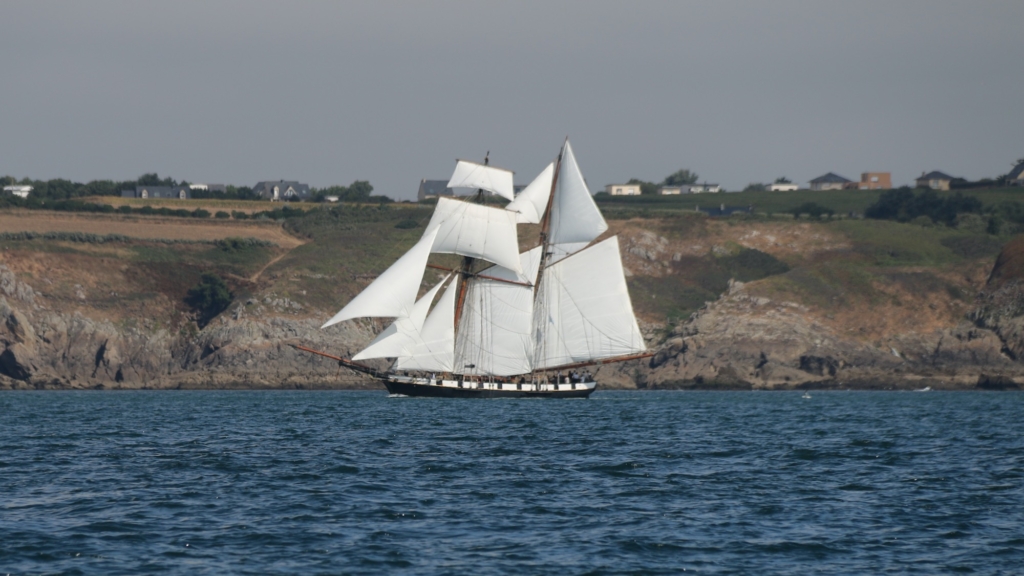
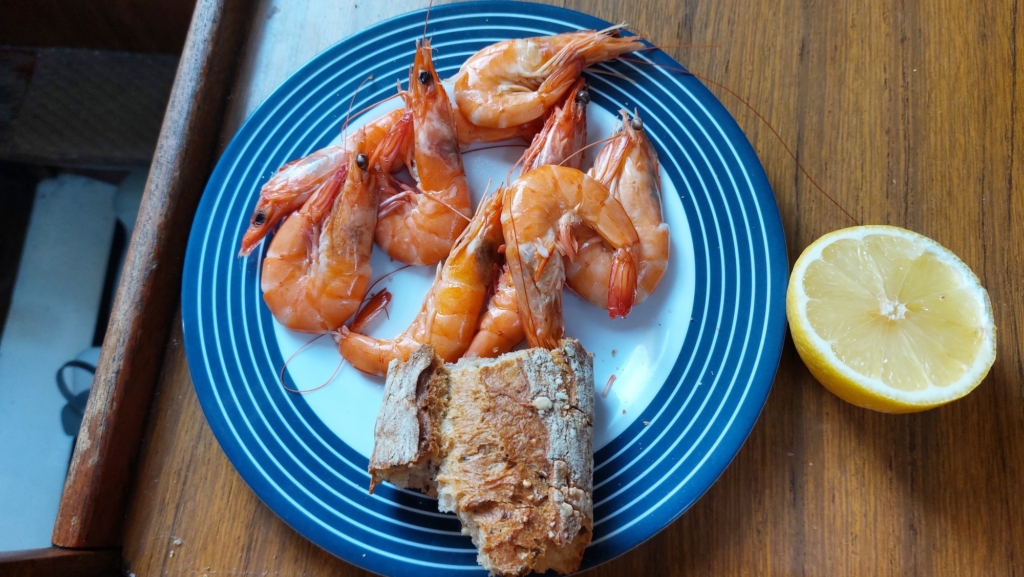
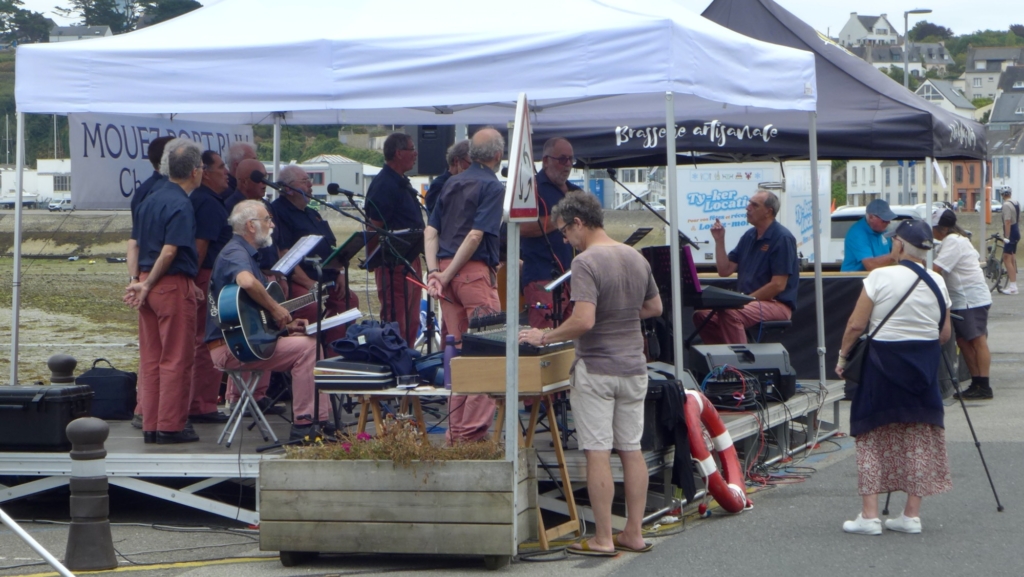
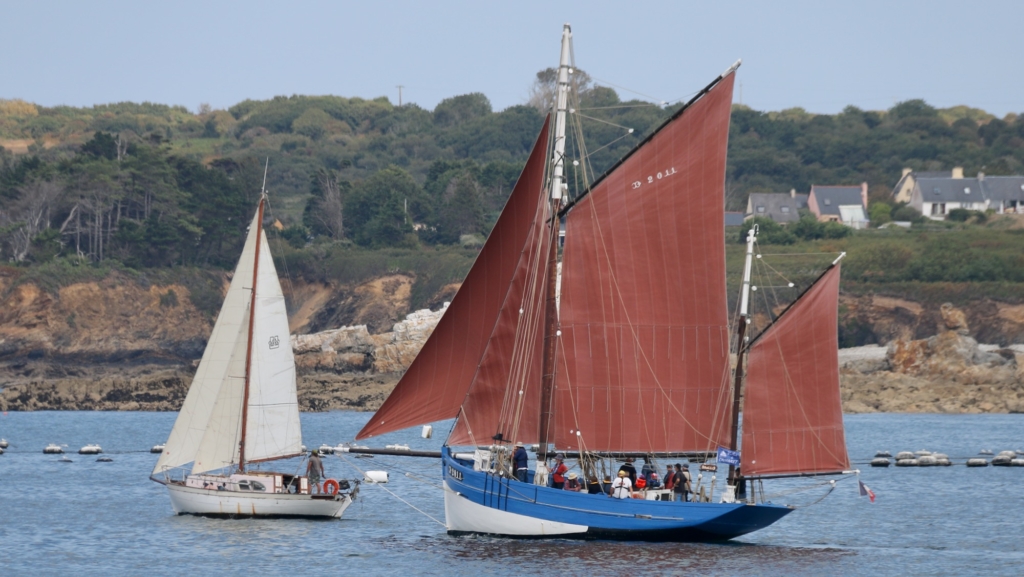
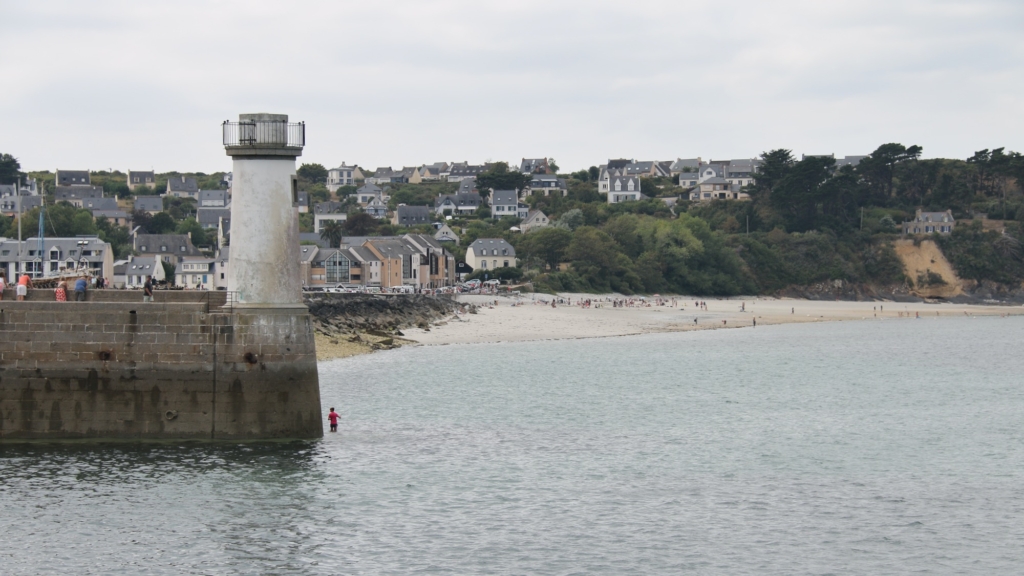
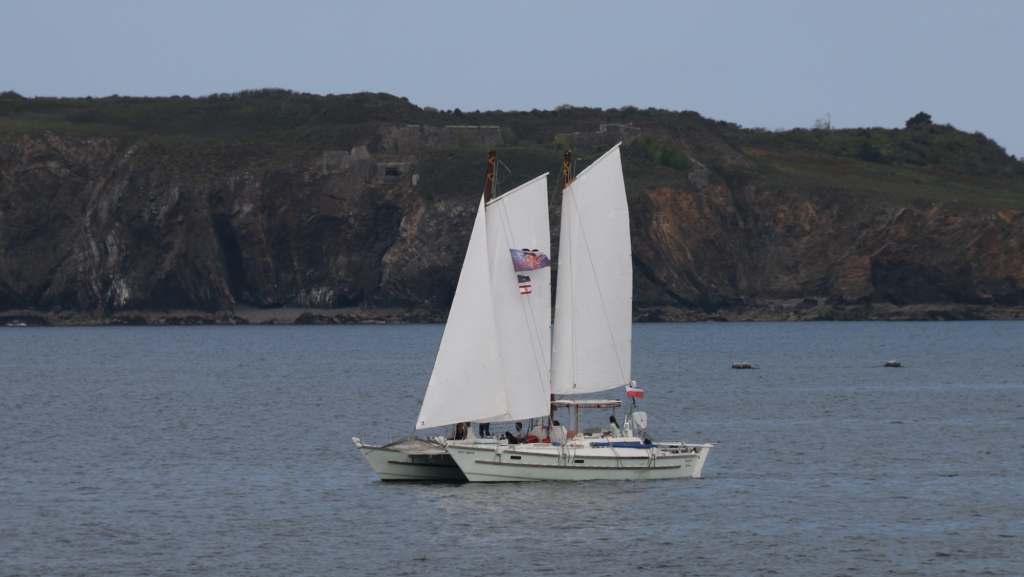
I then took a little walk through the beautiful town, bought some shrimp, and celebrated and enjoyed my arrival. There were little stands everywhere with local and traditional music. Outside, the traditional ships (not all that big) were sailing back and forth. I really enjoyed it.
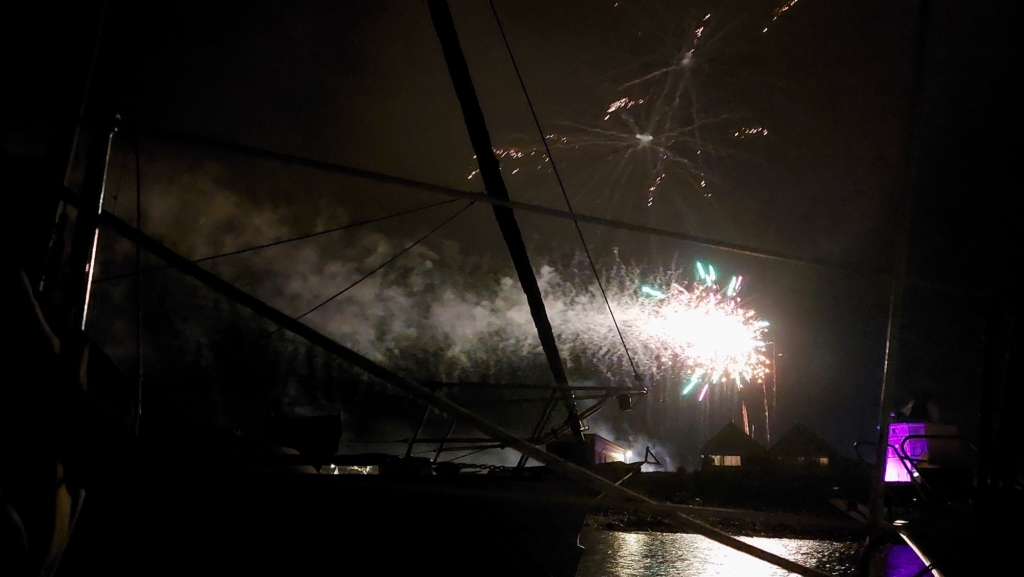
I went to bed early and was fast asleep when the fireworks woke me. I could see a little bit through the hatch, but fell asleep again almost immediately.

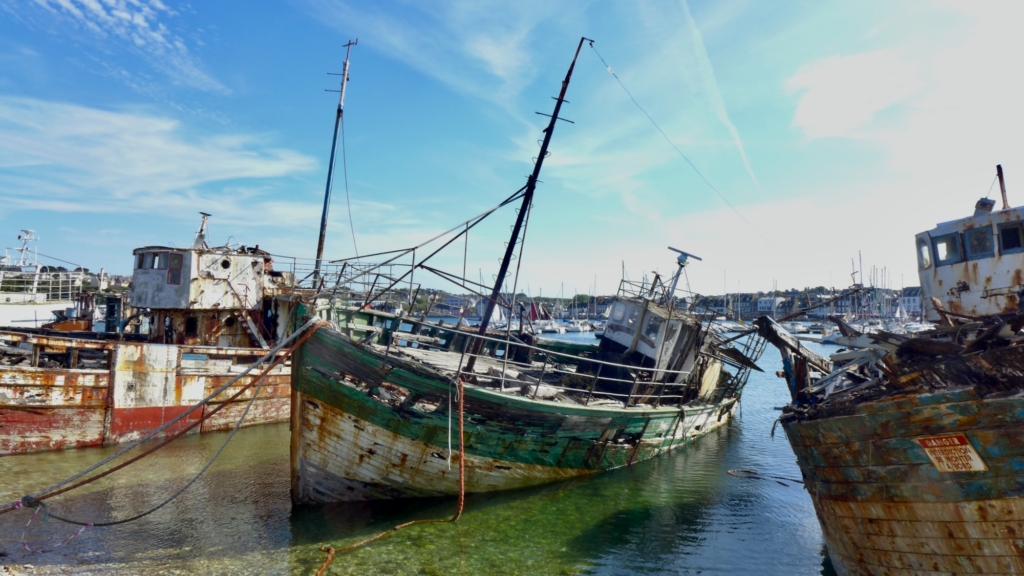

By the next morning, it became clear that it might have been a mistake after all to sail so far east. I had actually decided—because of the orca situation—not to stop in Spain or Portugal, but to head out into the Atlantic and then turn south. From here, this now looked pretty unrealistic. It would have worked out great if I had started two weeks ago. But then I wouldn’t have made it to the Scilly Islands, and anyway… if only… if only.
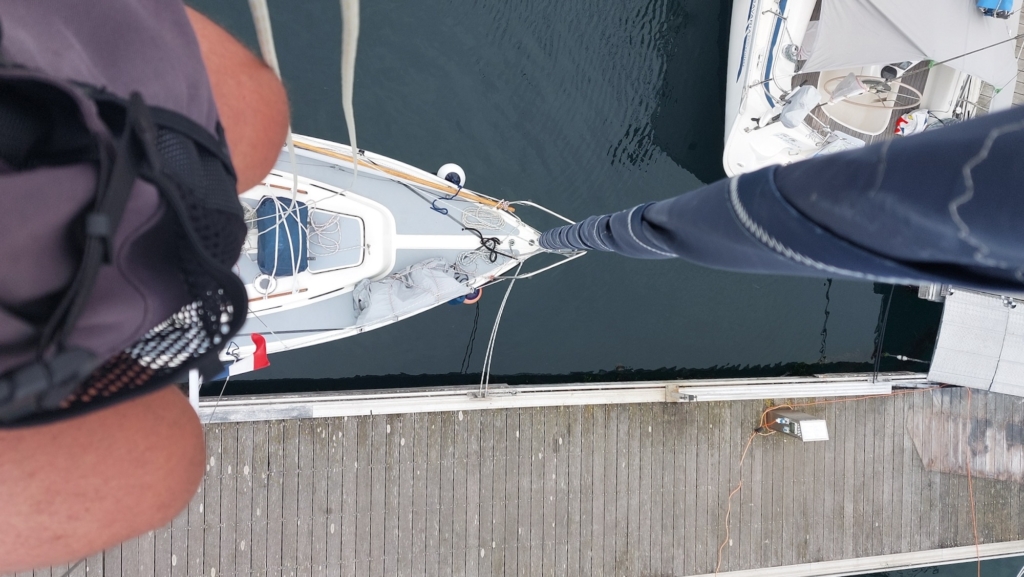
In any case, over the next two days I ran through endless possibilities. It was clear that if I waited for the perfect window, I could be waiting for a long. There was one window where I’d run into a cold front in the middle of the Bay of Biscay, but otherwise it looked okay, and depending on how the next low-pressure system behind it moved, I might even be able to sail around Cape Finisterre at a safe distance and head straight on to Madeira. It wasn’t ideal. During the day, I stocked up on provisions for two weeks and did a rigg check; in the evening, I went for a walk to clear my head; and the next day, I set off with a lump in my throat.