
The first two days had light winds and small waves, and it was great sailing close to the wind (with the wind coming diagonally from the front). That was actually another downside of this weather window: most of the route would be beating. But in the beginning this was to our advantage, because the relative wind amplifies the actual wind, allowing you to make good progress even in light winds. Still, I couldn’t really enjoy it because I had the cold front on my mind, which was supposed to arrive during the night from Tuesday to Wednesday. Kudi had kindly agreed to monitor the weather from home and send me his thoughts while I was out on the water. That, as well as receiving weather data via shortwave email, is now all possible with my new ham radio setup, with which I’m very happy.

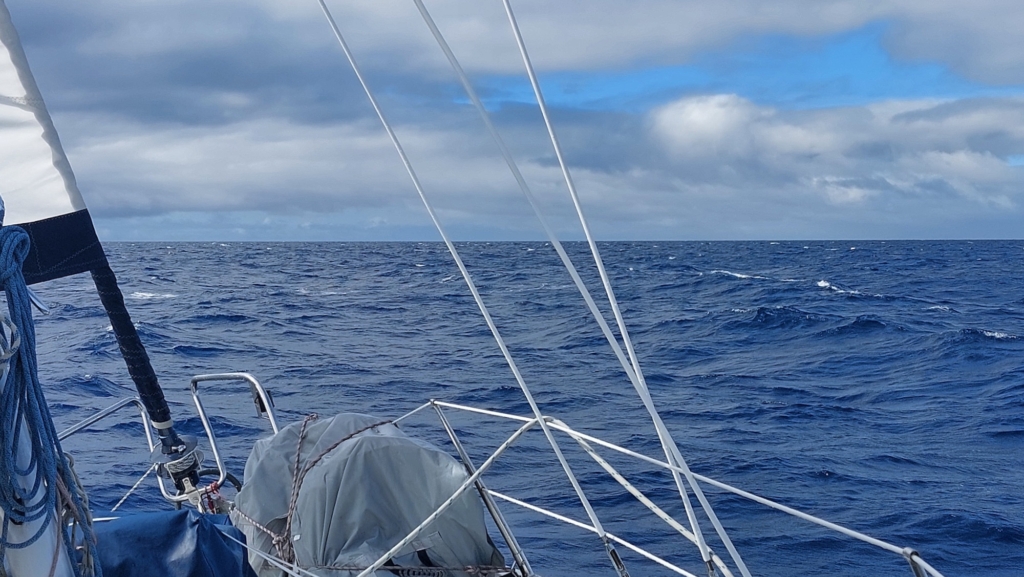
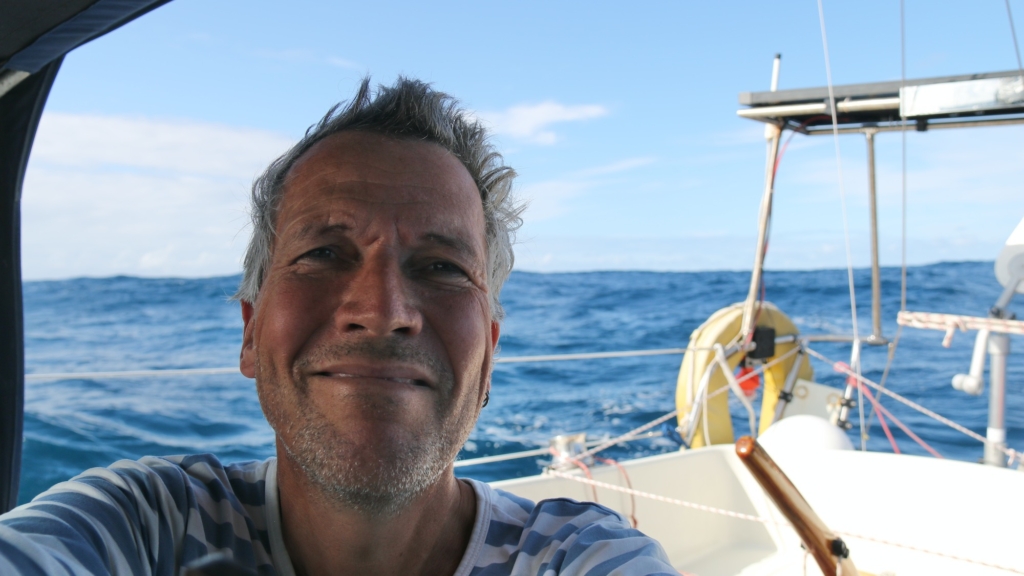
The front itself wasn’t all that bad. It was windy and gusty, sure, and the fact that the wind behind it wouldn’t shift was also a bringdown. So we kept beating into the wind against waves that were ever getting nastier and bigger. But it could have been worse. After a while it did shift and we were able to sail a more comfortable course. Now, though, the waves were coming from the side and were well over 2 meters high. It wasn’t exactly cozy. Everything was constantly flying around, and cooking or sleeping was out of the question. At some point, the waves were so steep that they were breaking regularly, and of course, one broke over the cockpit and flooded the saloon.
By then, it had also become clear that Madeira wasn’t going to happen. The next low-pressure system was already waiting for us off the coast, and I’d decided to head around the corner past A Coruña into Camariñas. We should be able to make it there before the next low.
I had read somewhere that the echo sounder attracts or confuses the orcas—or both. Back in Camaret, I’d already tried figuring out how to isolate it from the rest of the instruments without having to turn everything off. So I put that into practice now.
It was nighttime by then; the waves hadn’t calmed down one bit, but the wind had died down. The water here glows in a greenish colour with bioluminescence, and it looks beautiful when Amy’s bow waves glow in the dark. Or, when dolphins come by, they look like little green torpedoes underwater. When a green Amy-sized torpedo suddenly appeared, it was pretty clear who was on a visit. I was incredibly scared, but somehow I didn’t really freeze up in shock. There wasn’t much I could do anyway. I turned off the lights, the vhf, and anything else that made noise, then sat down in the companionway and held on tight. Amy kept sailing; Wayne (my wind vane steering system, which I’d already mentally said goodbye to because it would probably the first thing to go) kept steering. The orcas surfaced, slapped the water, dived under the boat, and resurfaced on the other side, doing their testosterone thing, while I was basically peeing in my pants. But that was all. Just a little inspection, showing who’s boss, and setting the record straight about where everyone stands in the food chain.
After about 15 minutes, everything was quiet. But I stayed motionless for about another hour to make sure they were really gone. Then the normal routines resumed. We absolutely had to slow down even more, because I didn’t want to arrive at the Costa de la Muerte in the dark. I probably don’t need to explain why this stretch of coastline is called that and why you wouldn’t want to get too close to the coast here in the dark dark.
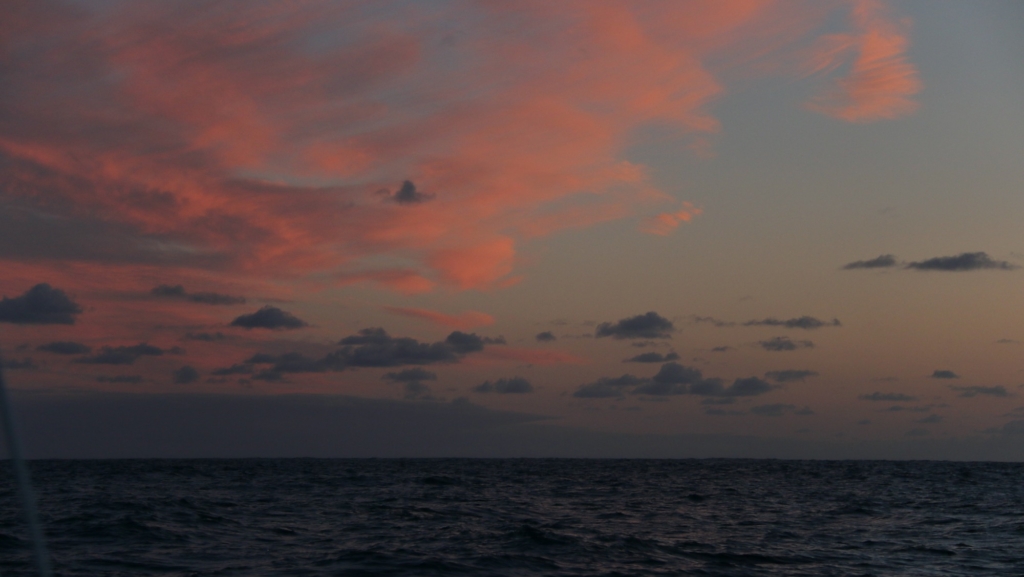
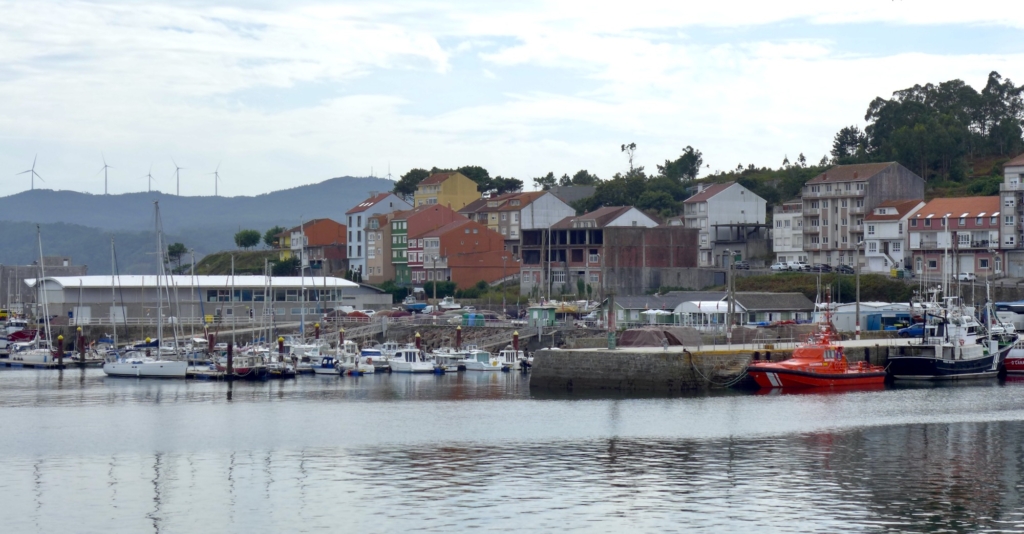
We arrived at sunrise. The unmarked passage through the reefs went fairly easy inspite of the waves. This is a great place to anchor, but with the next low-pressure system on our heels, I wanted to tie up at the Club Náutico de Camariñas. My radio call (in Spanish—this time I didn’t back down) was answered right away, and minutes later, the friendly marinero had caught my lines despite the botched docking maneuver, and Amy was securely moored at the dock. I was very tired and lay down for a bit.

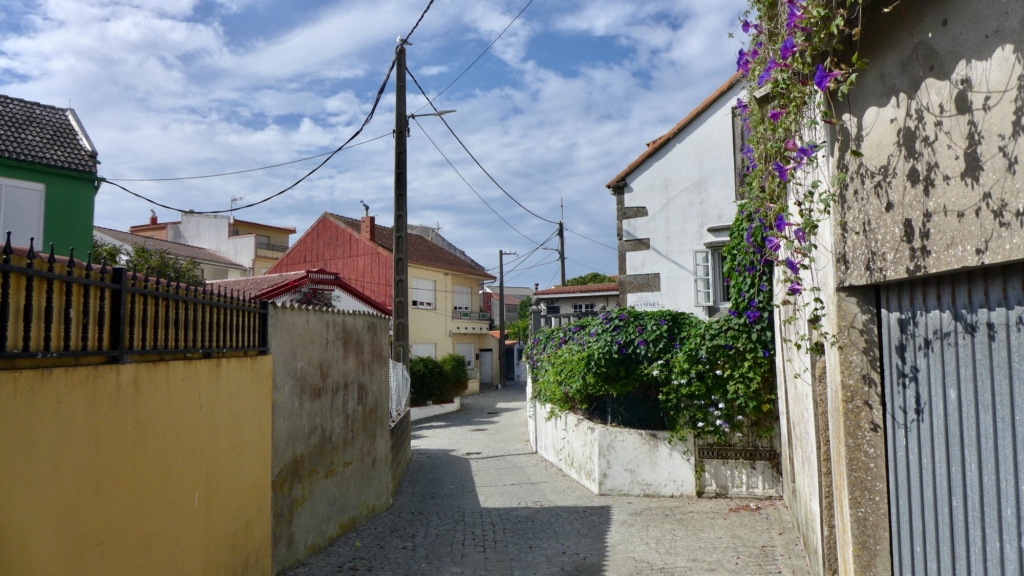
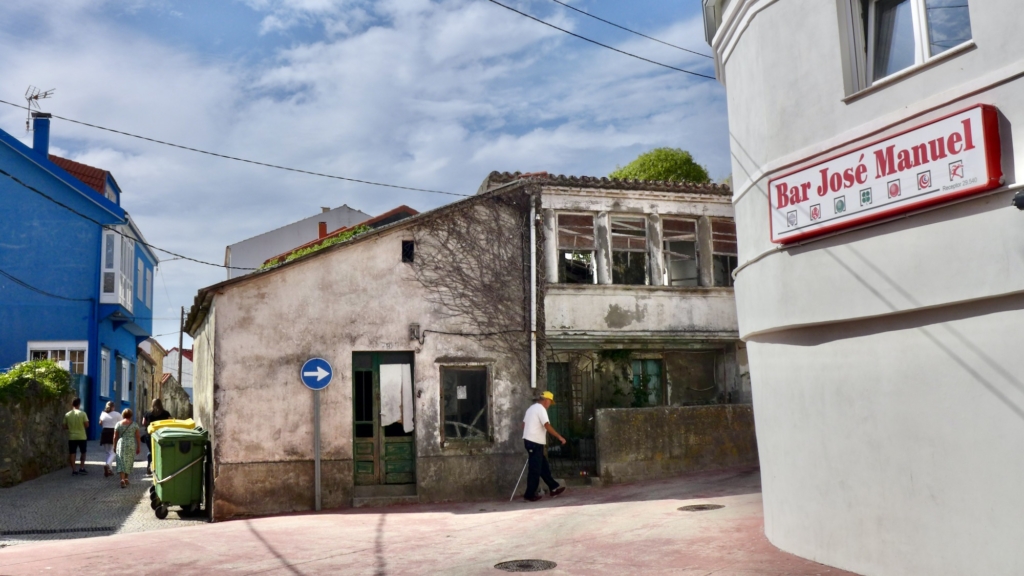
The little town is very pleasant. Not particularly touristy and maybe not stunningly beautiful, but very friendly, and everything is affordable. In the evening at the harbor bar, I ordered a beer. I wanted a large one right away, so I asked for a “jarra” (that’s how I had learned it—“caña” small beer, “jarra” large beer), but all I got was a blank stare. So I said, “una cerveza por favor…”—and immediately exposed myself as a complete beginner. I got a caña. The caña didn’t last very long and now I really wanted a large beer. So I asked how to say it here… “un cañón”… aha!! I’ll remember that.
Over the next few days, I kept trying to find a berth in Tenerife. It’s proving harder than I’d hoped, and it’s frustrating me at times. The fact that I’m spending so much time on my phone doing this (and checking the weather) is increasingly getting on my nerves.
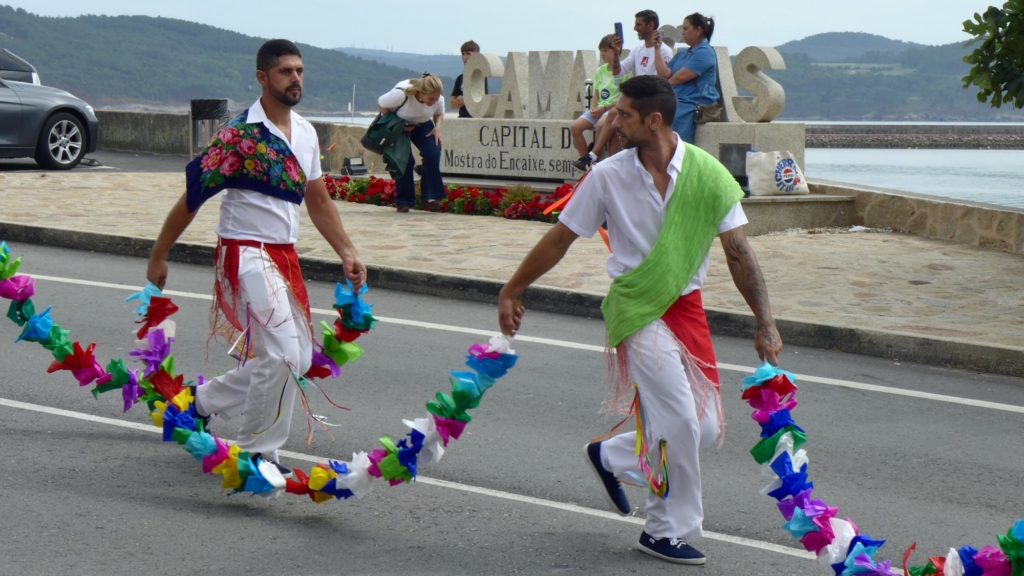
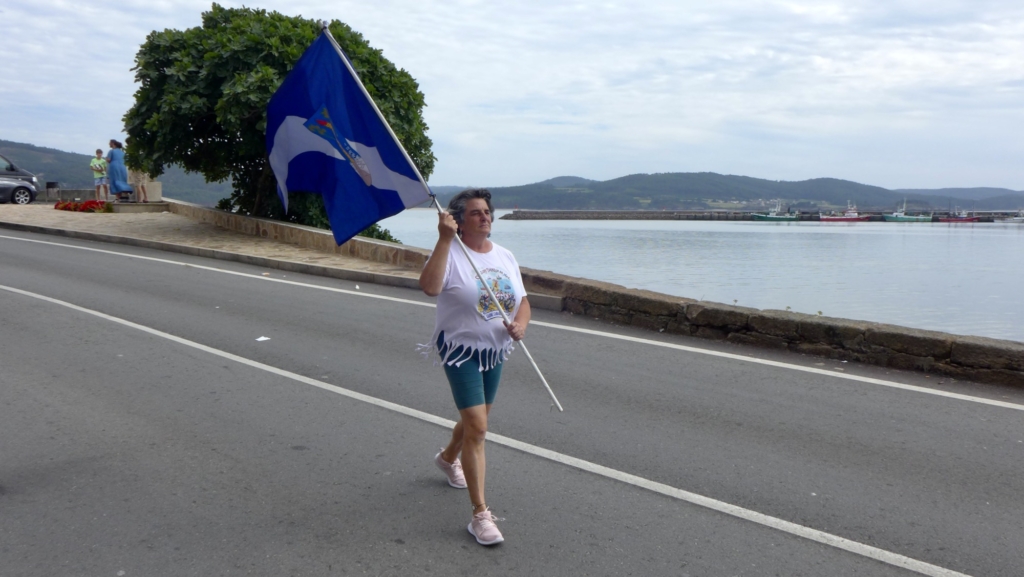
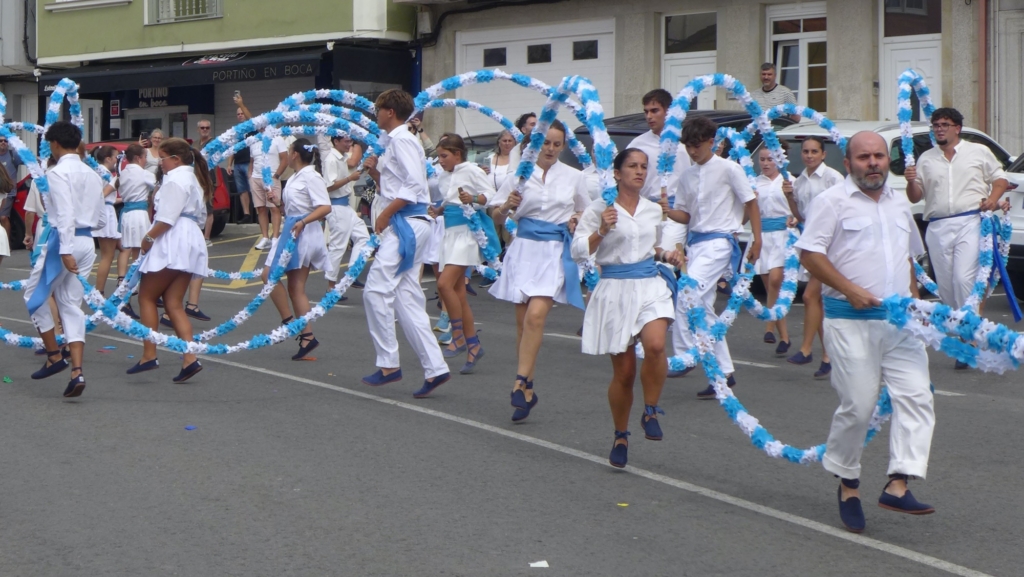
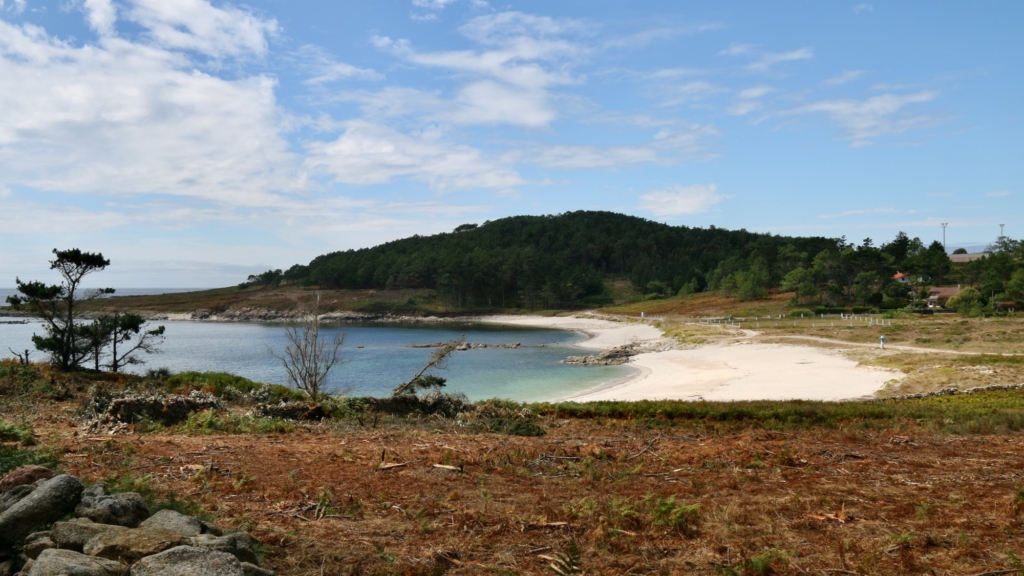
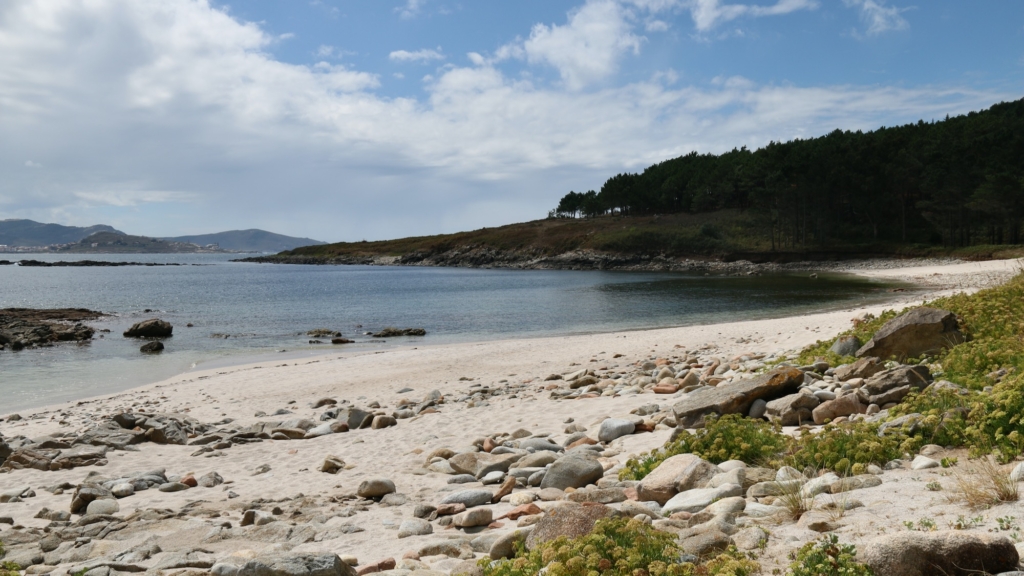
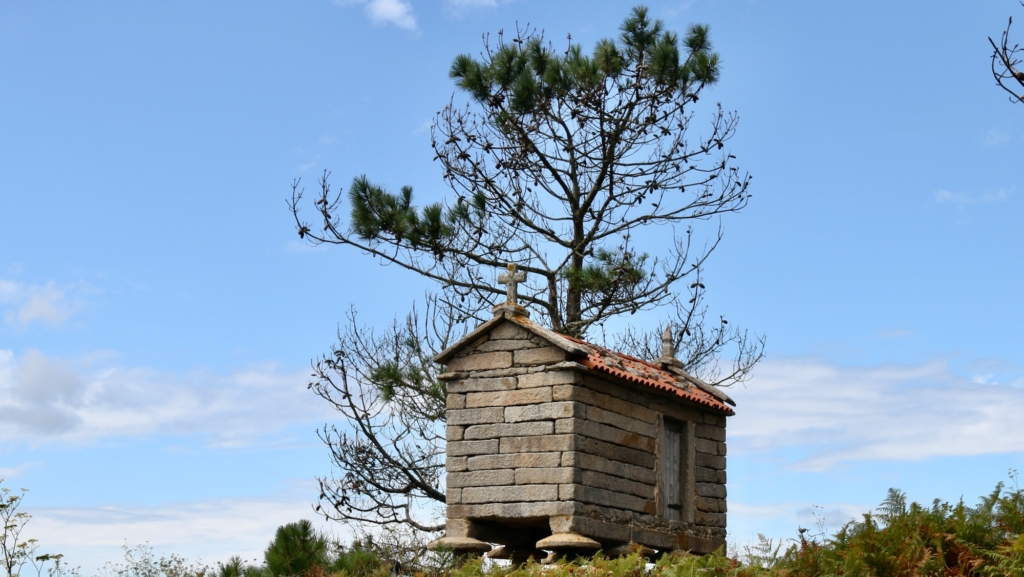
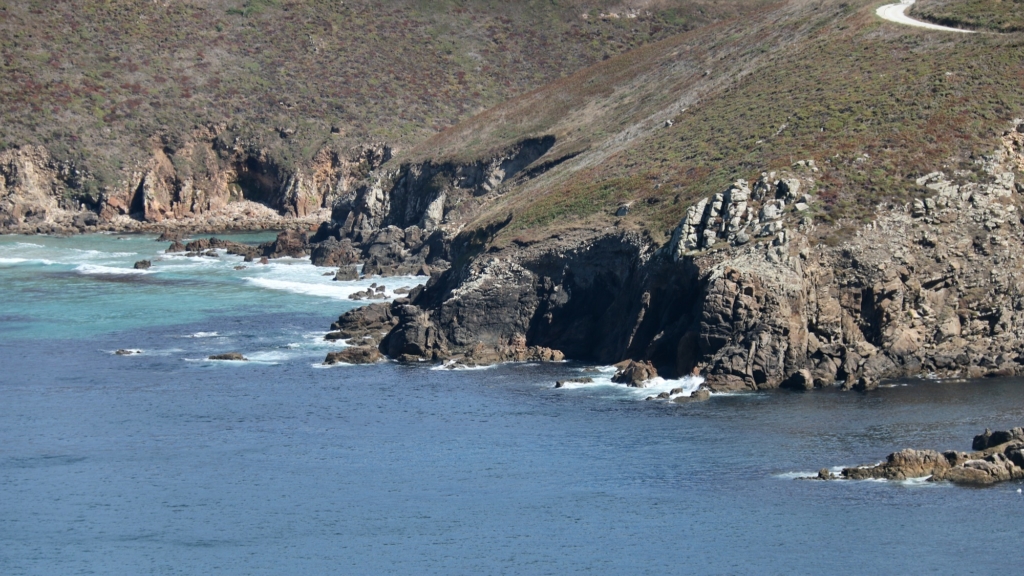
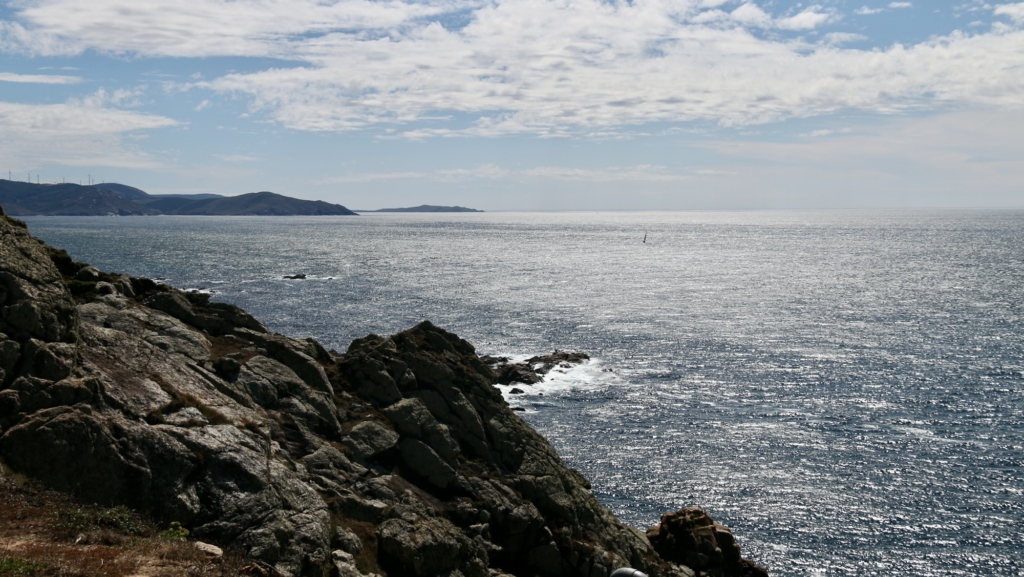
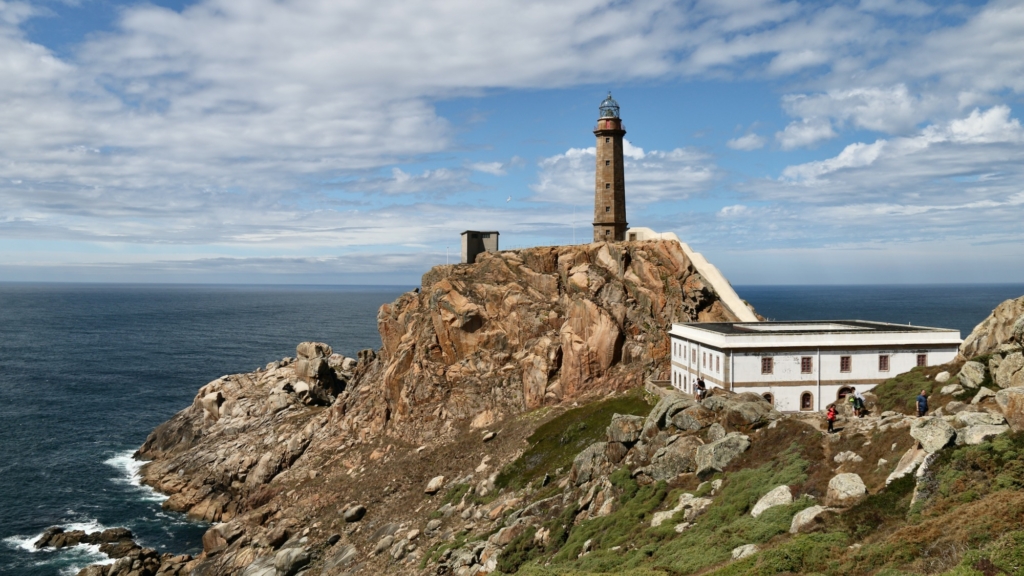
The day before yesterday there was a parade here, and yesterday I went on a hike to Cabo Vilán, where the beautiful Faro (lighthouse) Vilán stands. It was very nice and a good distraction. Last night there was a severe thunderstorm that kept me from sleeping. The lightning must have struck right around the corner from here. In any case, the flash and the very loud crash happened at exactly the same time, and the whole boat vibrated. This morning, my radios were still working. Nothing looked scorched, so all clear. Unfortunately, there are still a few small leaks at the bow. I’m still trying to fix that. Other than that, there are a few other minor repairs to do, and then I’ll get ready to continue my journey—possibly this coming weekend or early next week, if the forecast holds. Until then, it’s a good place to pass the time.



Great story, beautiful photos!! Can’t wait for the next installment!
Hi Beth!
Thanks for the comment and I’m glad you like the blog. I just put the last bit online.
Greetings
Kai