
I’ve been here for a month now. I’ve reached the end of my journey. It’s a very strange feeling—that suddenly I’m not going any further—and that I’m trying to establish some kind of routine life. That means looking for work and, as it’s becoming increasingly clear, looking for a place to live as well. I have my boat in which I live, but finding a berth is much harder and more expensive than I’d imagined. A lot has apparently changed in the last three years. There’s also a lot more bureaucracy to deal with than I thought. On the other hand, it’s much easier to find friends and friendly, helpful people than I’d feared. But maybe I should start from the beginning….
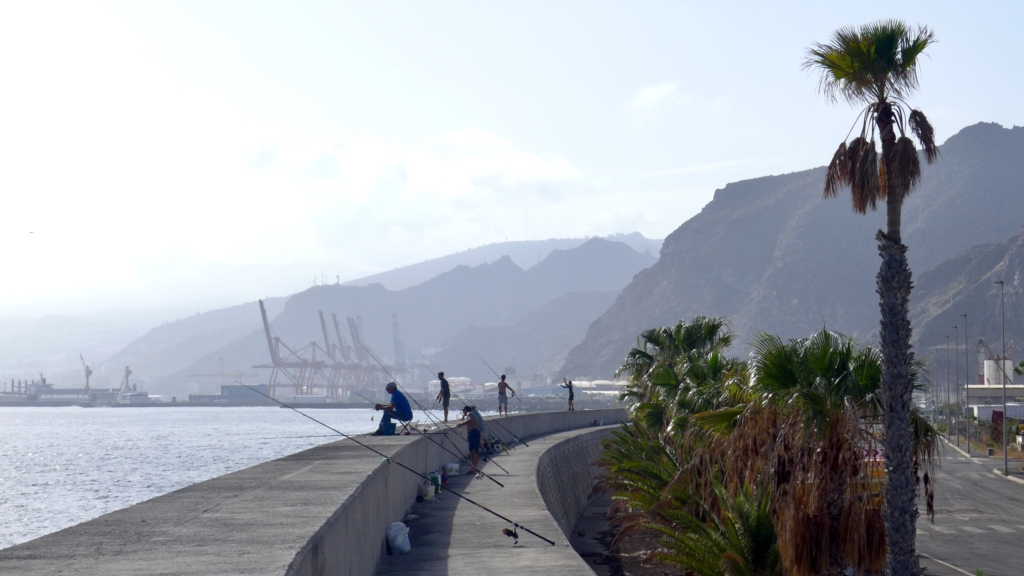
In Porto Santo I had gone on another long hike before preparing to leave.
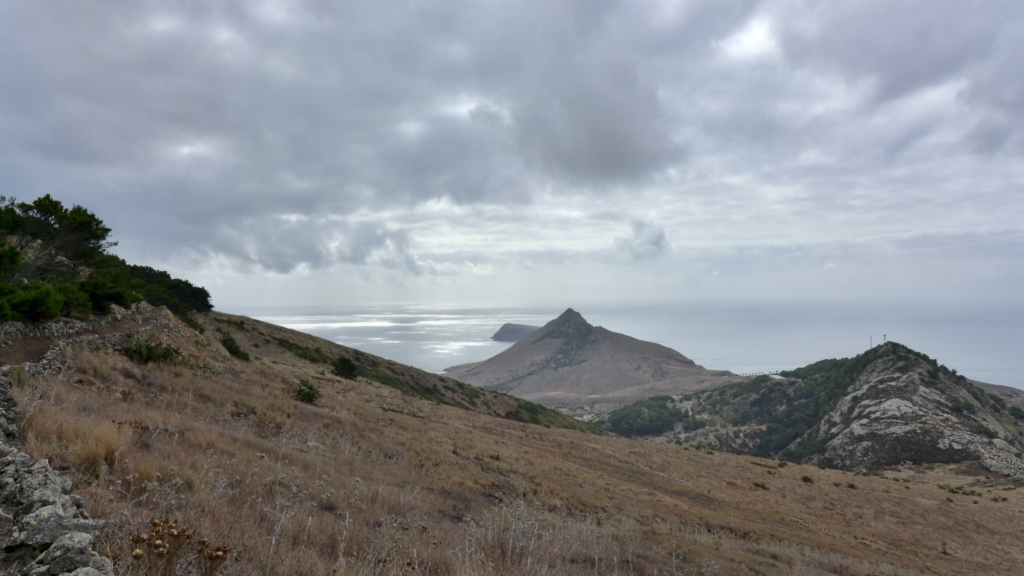
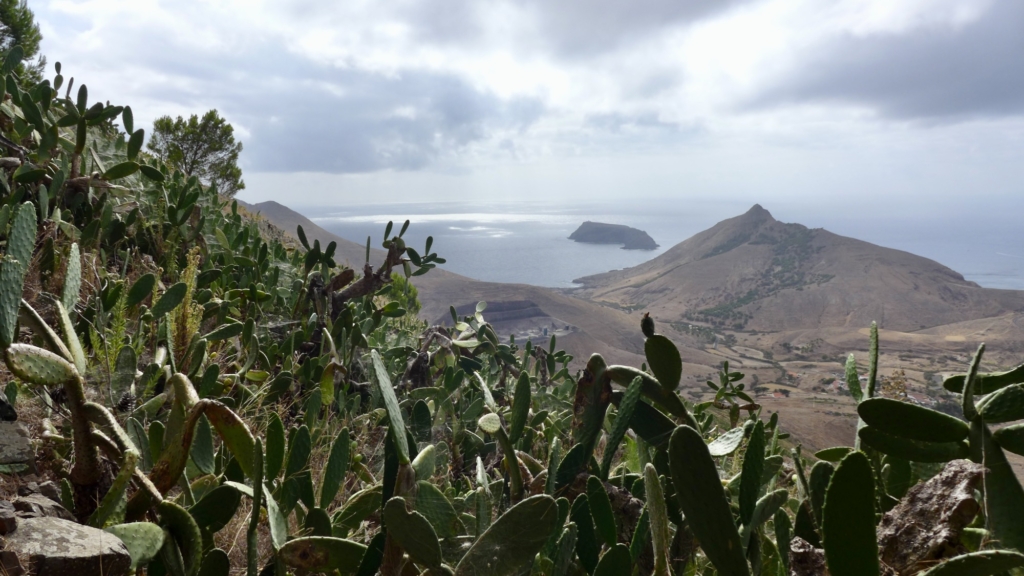
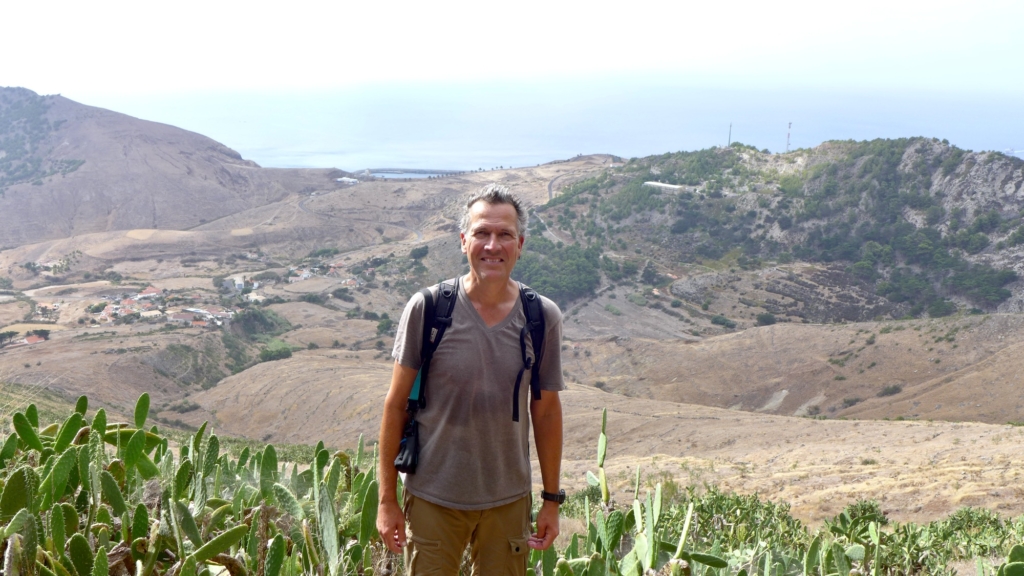
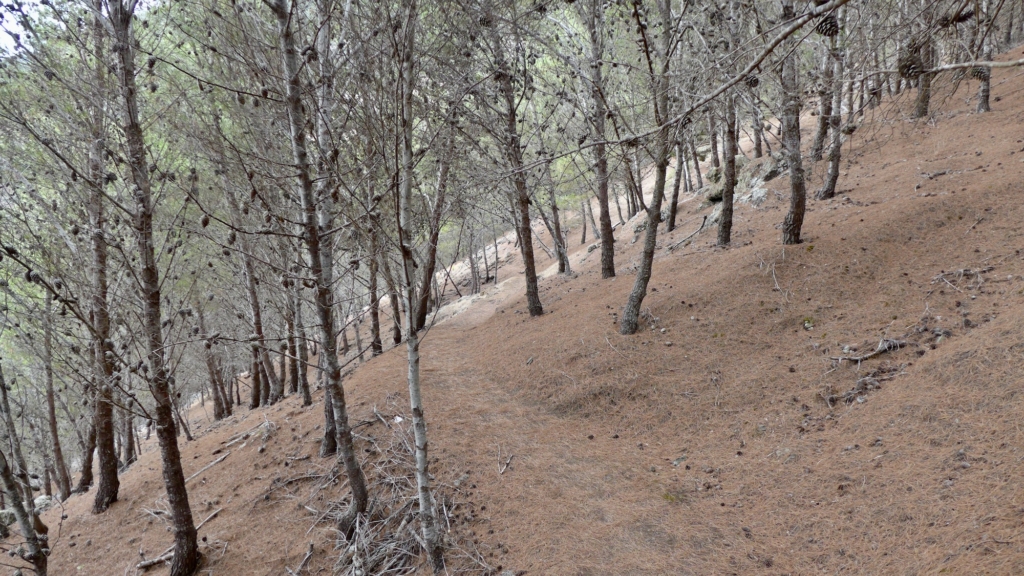
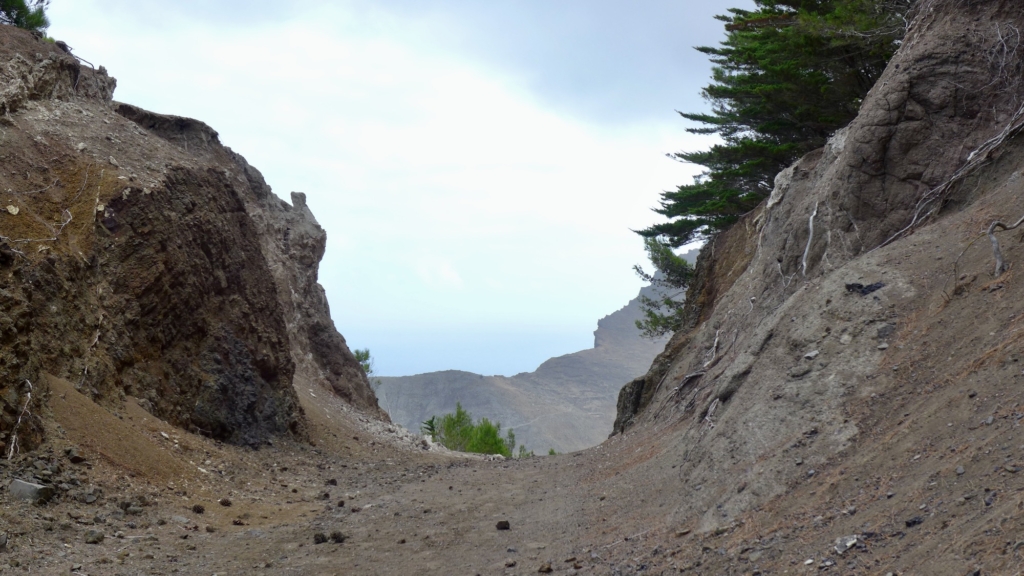
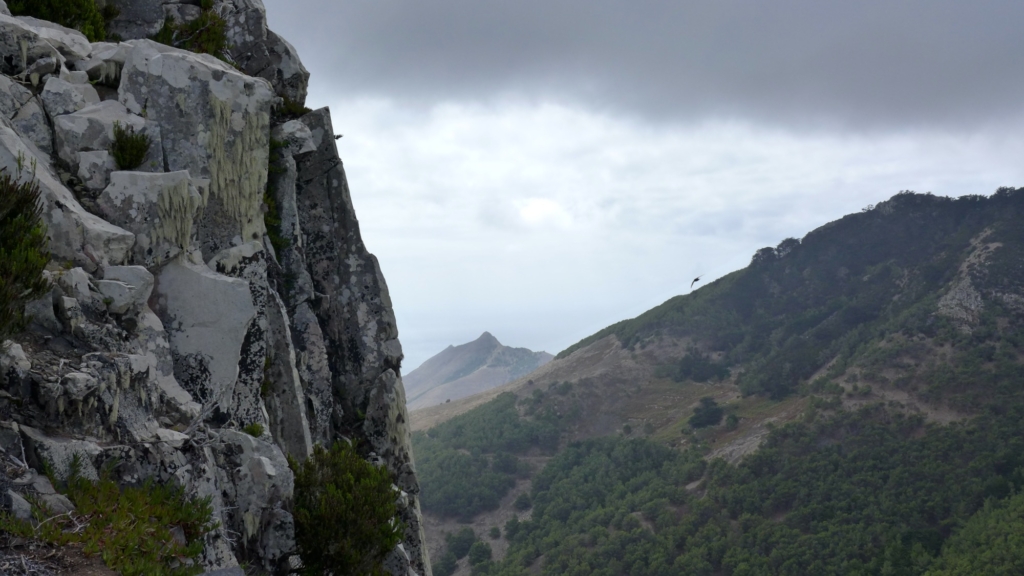
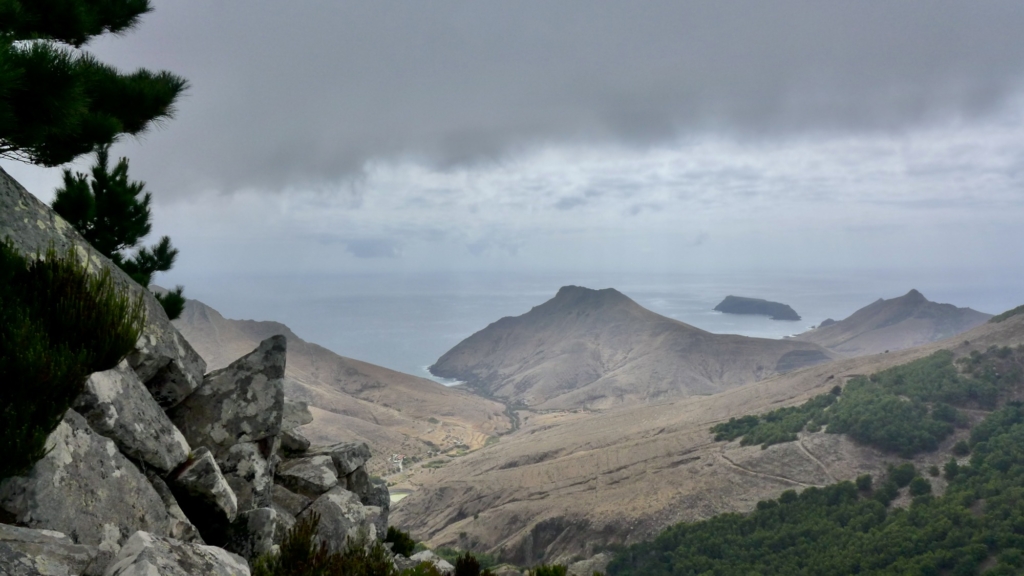
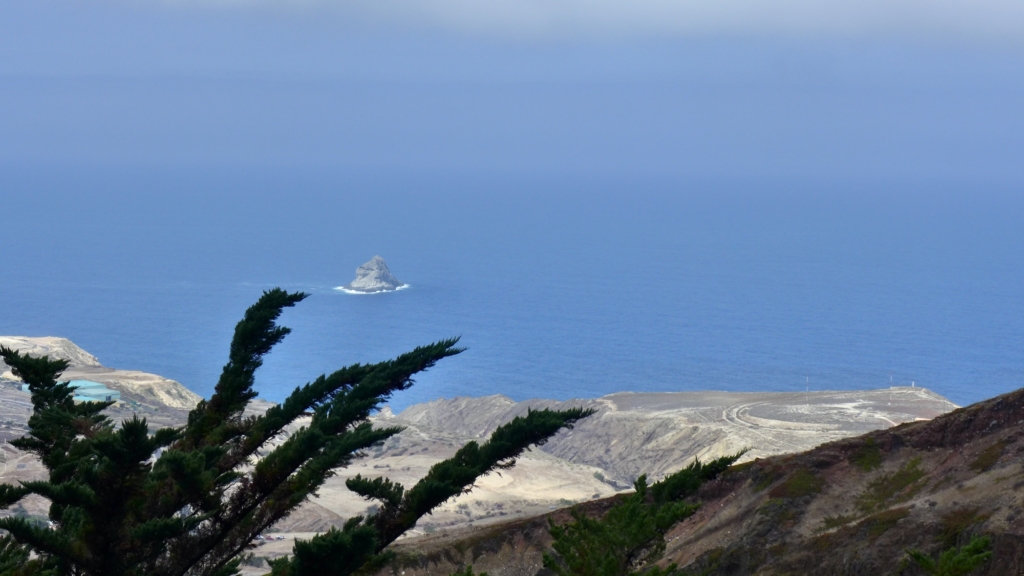
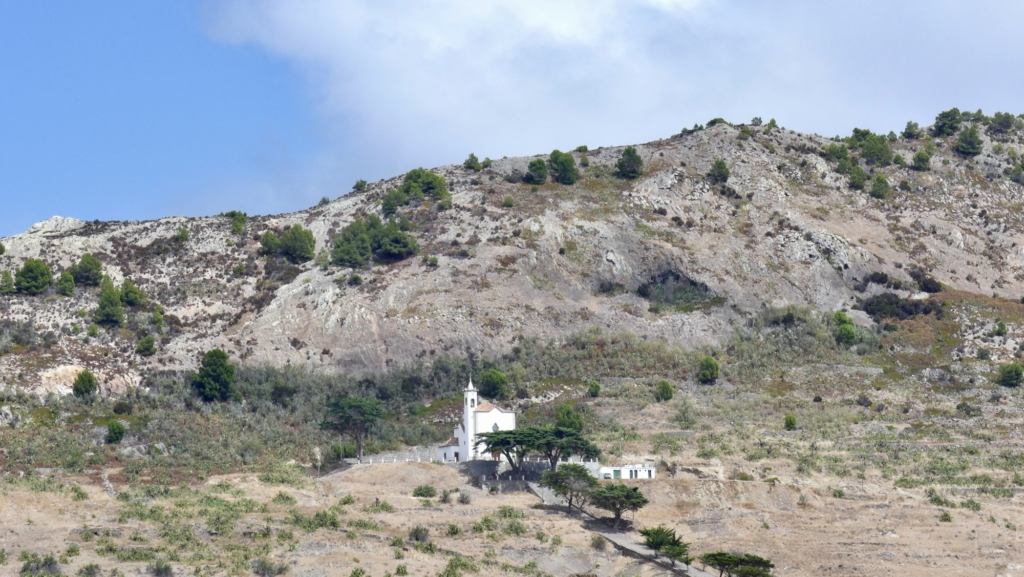
The preparations very fairly simple and quickly accomplished. A few checks on the boat—the right weather window had opened up, and after all, it was only going to be a three-day trip to Tenerife. Saying goodbye to everybody was quick but not so easy. Somehow, this had already become a bit of a home. I was now heading toward my destination—and the end of the journey. On the one hand, I couldn’t wait to go and be underway, but on the other, I didn’t want the trip to end.
We set off at noon in gorgeous weather with perfect wind. The anchor came up easily, and after a few laps around the harbor basin, I had washed off most of the muck on the foredeck and we were ready to go. One last wave, and we were out of the harbor.
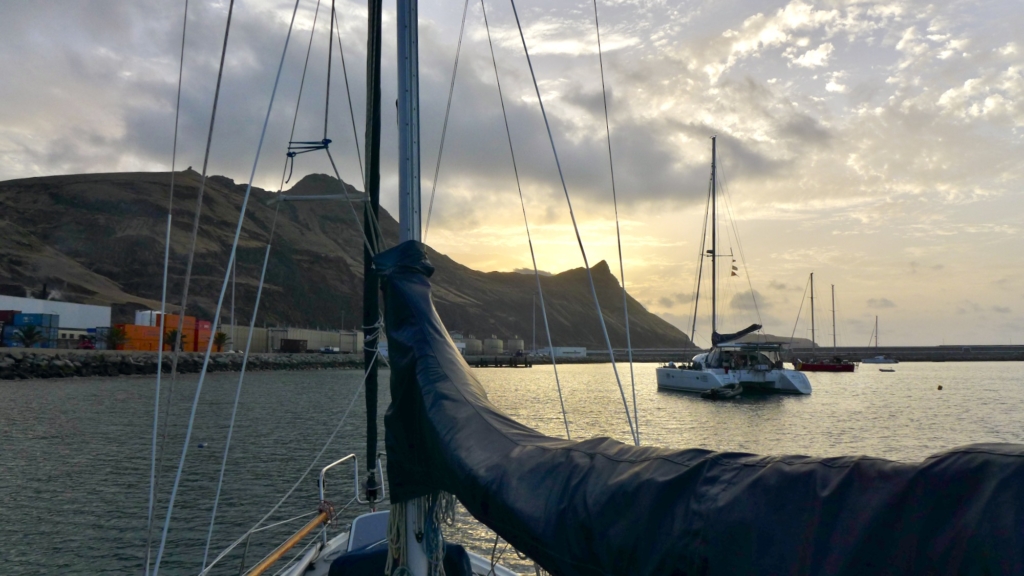
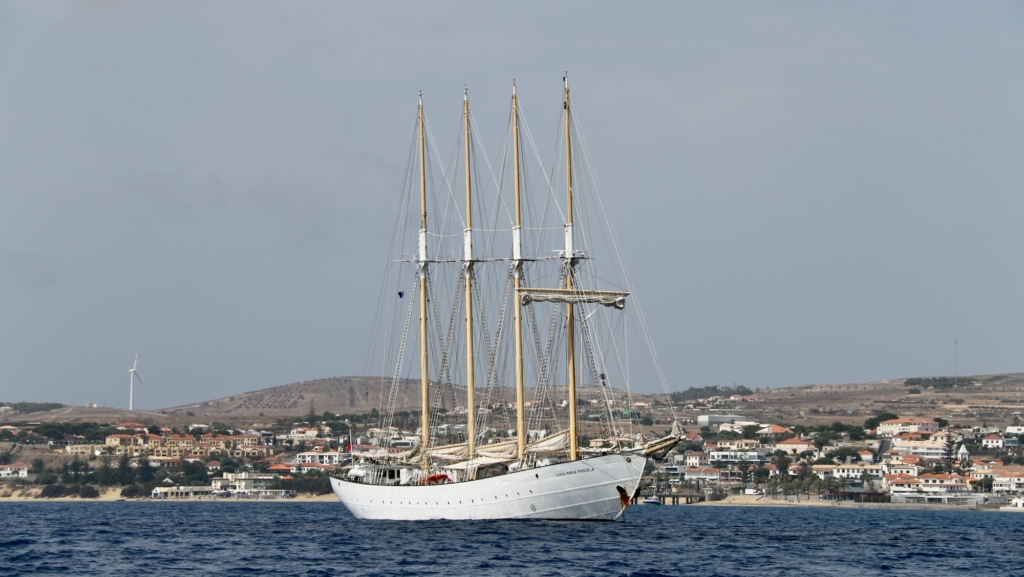
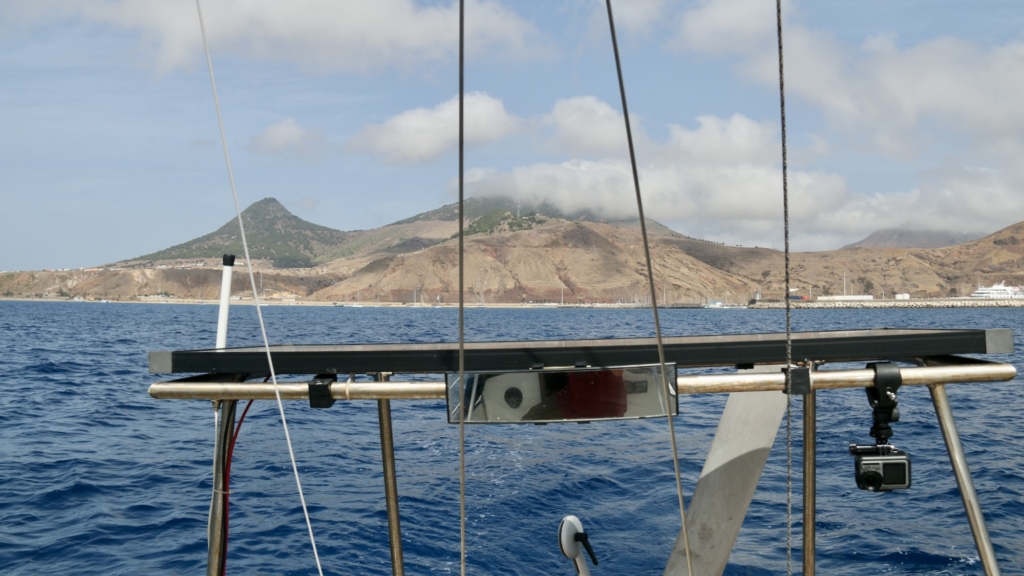
Three years ago, I’d set out on exactly the same route, with wind from a different direction and a COVID infection—so I’d spent almost the entire trip feverish and half-asleep and can’t remember much of it. As the evening approached, the Calima (Saharan dust) intensified drastically, and Madeira was visible on the western horizon only as a sort of sepia-toned silhouette against the sunset.
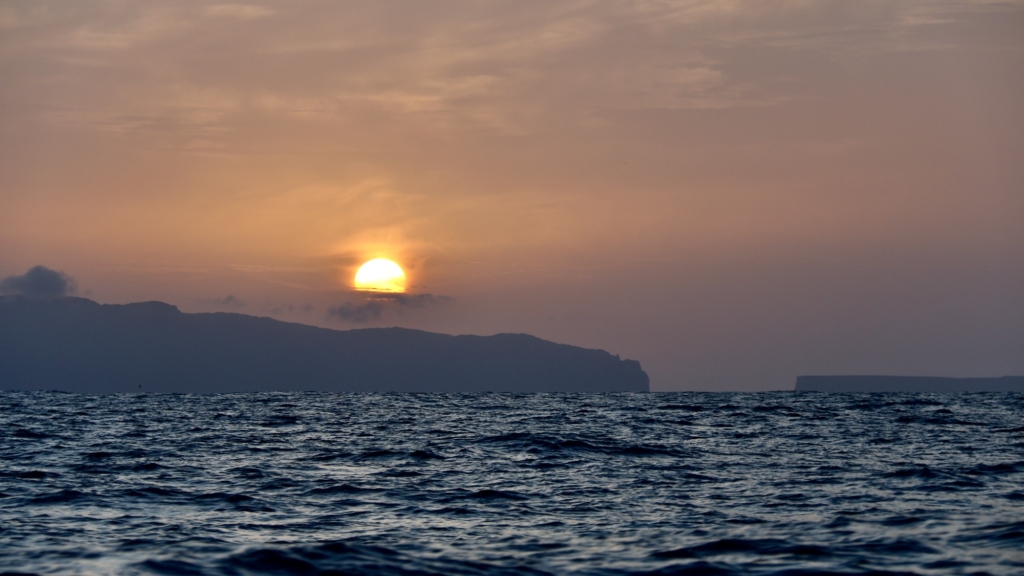
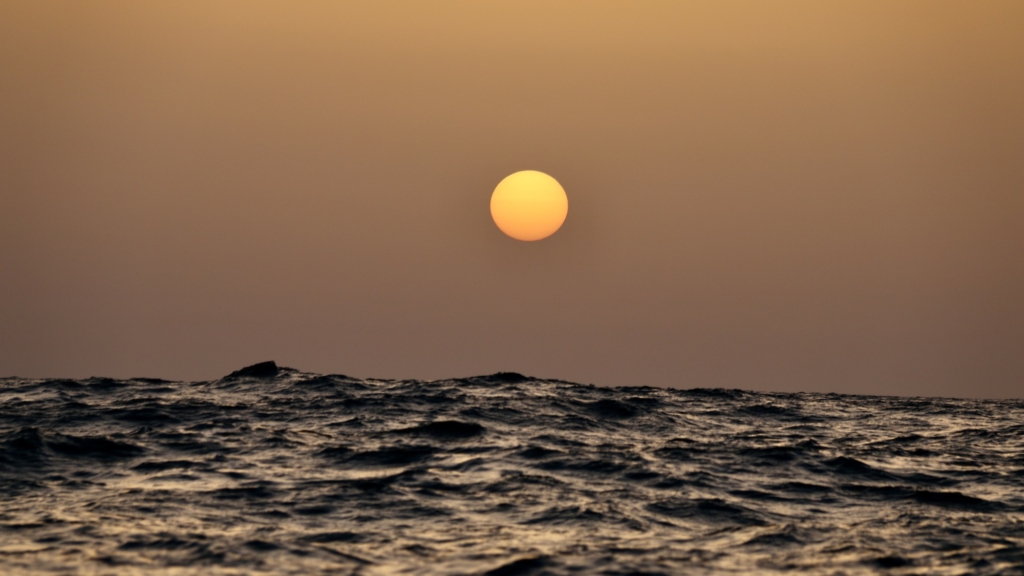
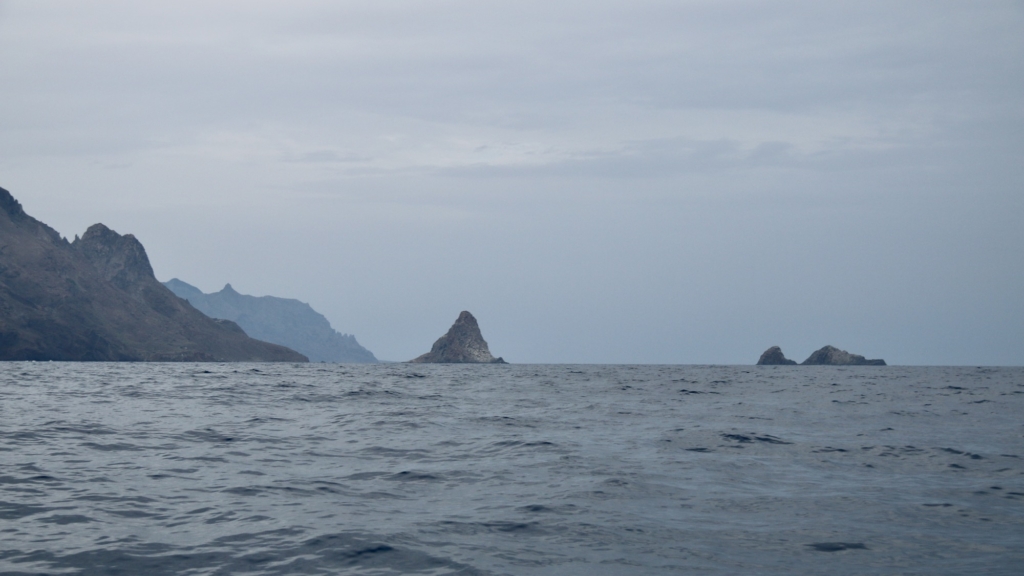
The wind had also died down and the sails were flapping, so we reefed them a bit and secured everything as best we could. There’s not much else to report about the trip. The Calima stayed even long after we arrived in Tenerife and only got worse. By then, everything on board was covered in reddish-brown dust. I had started to become a bit short of breath, and my eyes had became inflamed. I could not make out the Ilhas Selvagens, even though we were sailing right past them. The light had a strange, apocalyptic feel to it, and it was impossible to tell whether it was the full moon or the sun shining through the dust clouds. The sea around me was also totally void of marine life, and so everything felt like a kind of dream that ended on the morning of the third day at the northern tip of Tenerife, when the wind had finally died down completely and I hoisted the iron headsail (started the engine) for the last 15 miles. At least we’d covered the whole distance up to here under sail at times going no more than 2 knots.
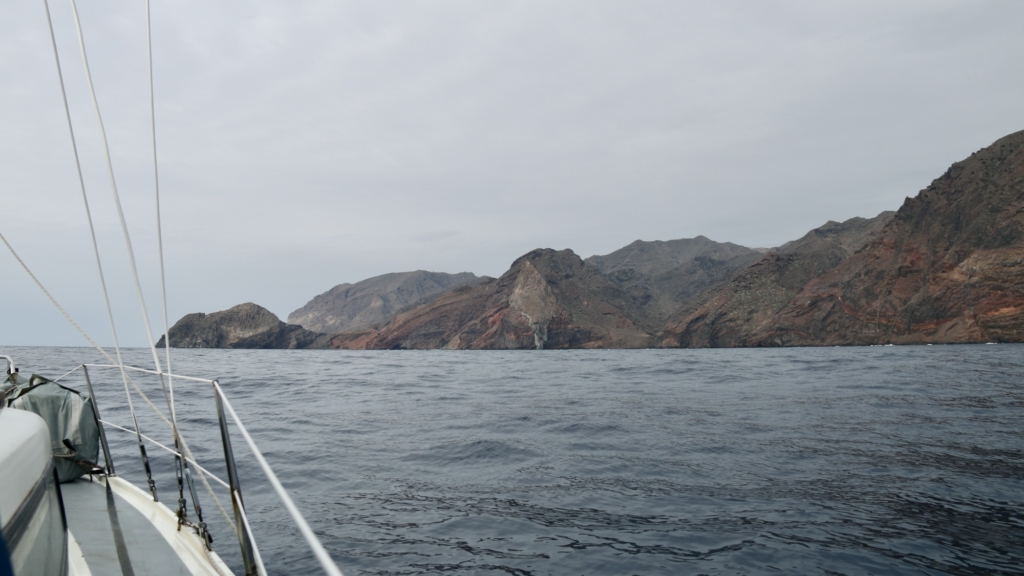
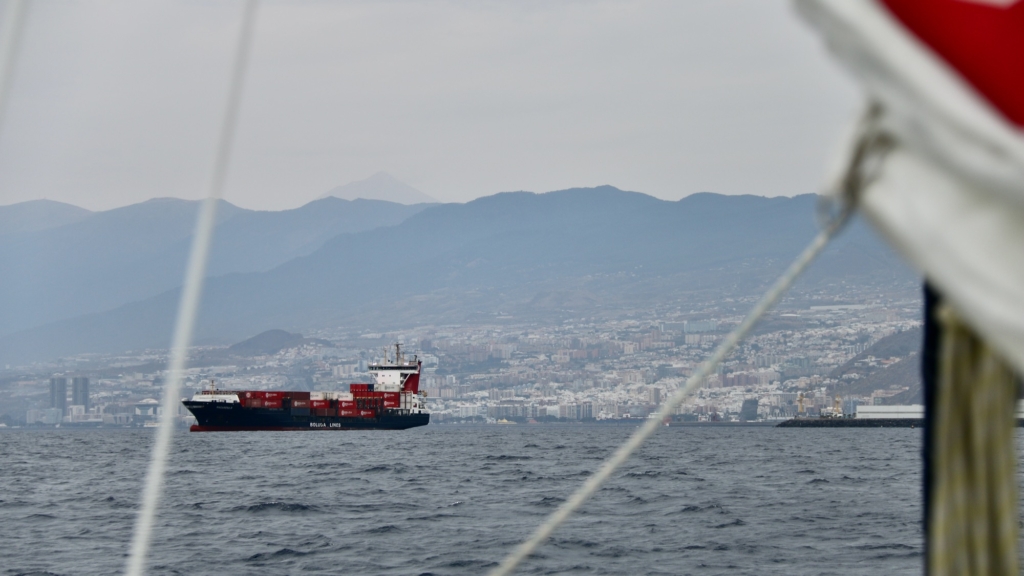
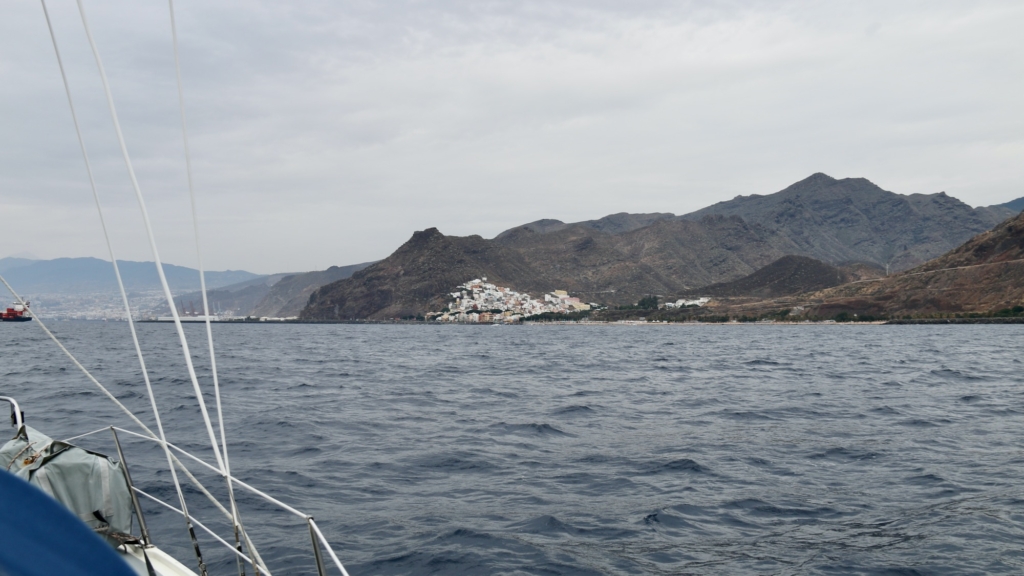
A completely unreal scene had unfolded the previous night. During my routine look-around the horizon (after 20minutes of sleep), I suddenly spotted a light nearby. But because of the poor visibility, I couldn’t make out what kind of lights they were or what kind of vessel it was. After a while, it became clear that it was another sailing vessel (under motor power). The name “Libertá” was now visible on the AIS (it sounded somewhat familiar to me). Amy (as we were making way solely by sailing) was the stand-on vessel (meaning we had the right of way and were supposed to keep the course and speed). However, Amy doesn’t transmit an AIS signal, so others have to spot us visually or on radar to know we are there. That’s why I had to assume that we didn’t exist for the other sailor and would eventually have to get out of the way, but I wanted to keep watching for a bit longer.
It is always a strange and unlikely coincidence that the courses of two ships would cross right in the middle of an ocean in such a way that a collision would be inevitable without evasive action. And this after not a single ship had been in sight for days. By now, we had already gotten quite close to each other. “Too Close for Comfort,” as the song goes. Before starting the evasive maneuver, I tried to raise Libertá on the radio again. I was now remebering something. Gerd who I had met in French Guiana (and later again in Grenada) had a boat named Libertá. So, after some initial radio etiquette and having changed channels, I asked if the person on the other end was named Gerd. And sure enough, it was him. So not only had two small sailboats encountered each other in the middle of the vast ocean—on a collision course, of all things—but we also knew each other and were meeting in a corner of the ocean that was thousands of miles away from where we’d last met. That was definitely a pretty huge coincidence. Gerd, however, had been sleeping, I think, and so his enthusiasm for this chance encounter wasn’t quite as great as mine.
At Marina Tenerife, everything felt like a déjà vu. The marina attendant who helped me dock was the same one from three years ago. Only the office and the showers were in a different location now. Unfortunately, the price for my berth (there was only one left for 12-meter boats) was also significantly different from three years ago.
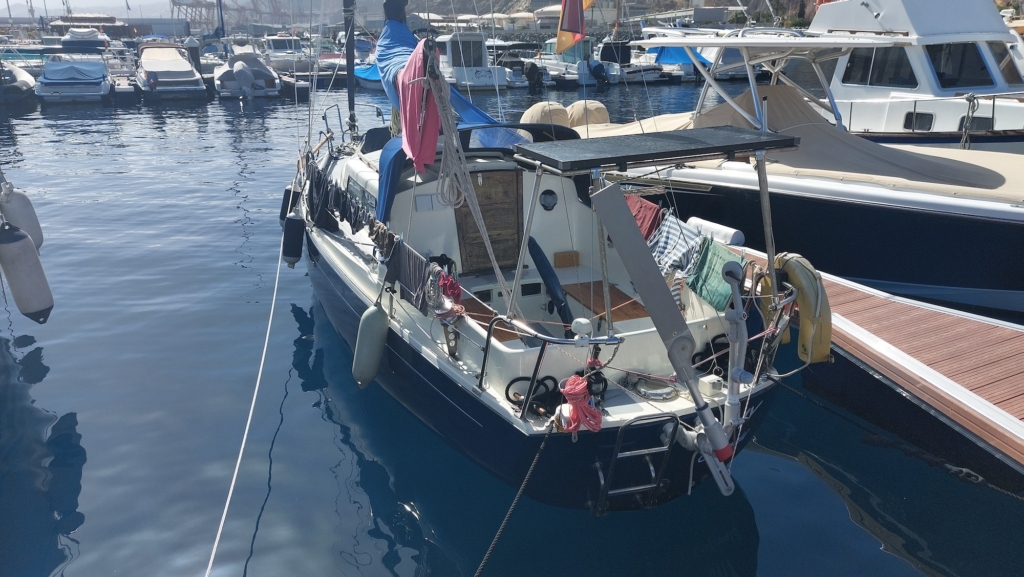
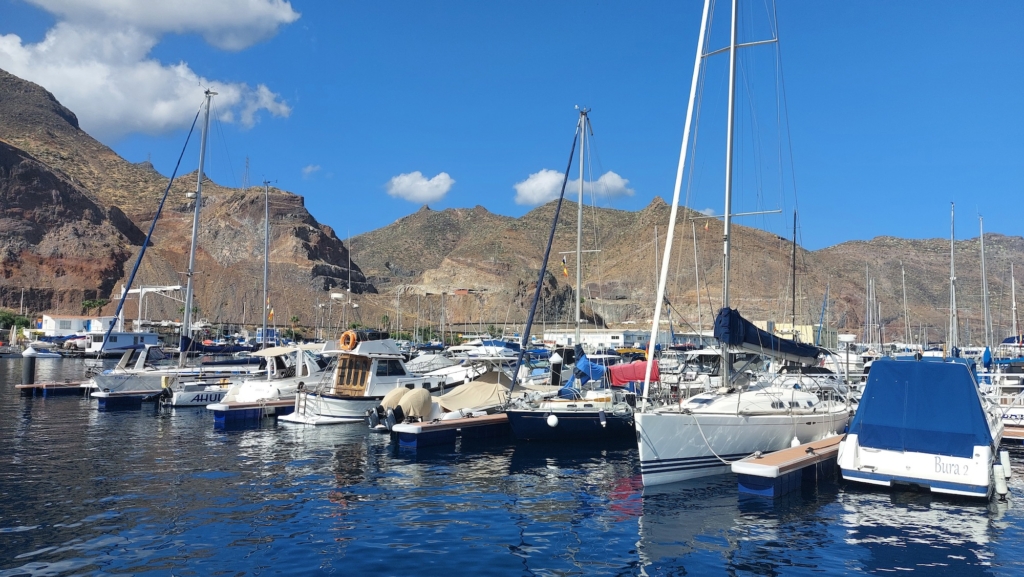
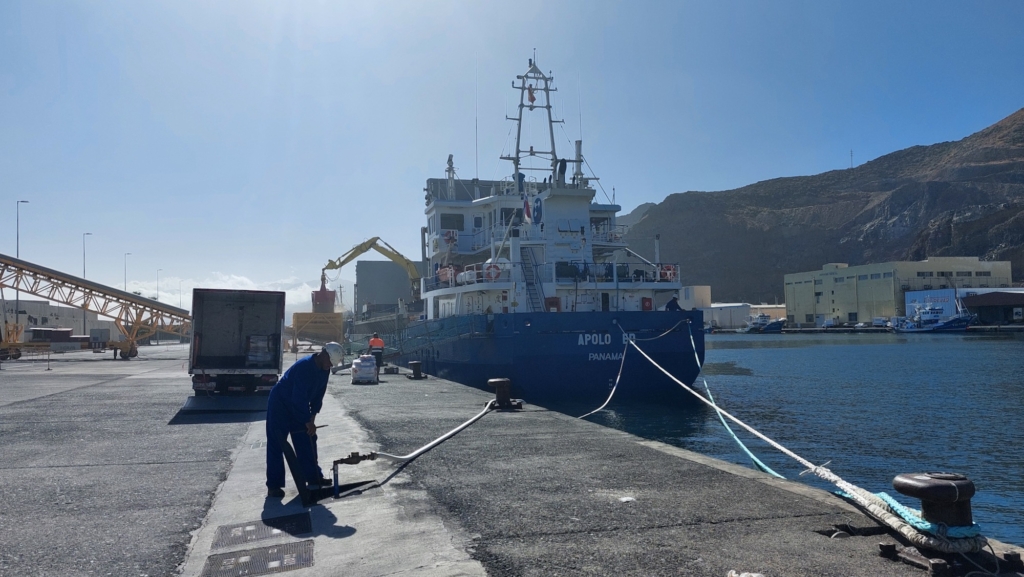
There’s also a small kiosk that’s open on weekends, and that’s where I celebrated my arrival in the evening with a beer and a small snack.
On Monday, I headed to the marina office, where apart from the friendly welcome, I was met by an unpleasant surprise. A tax is levied on non-local boats, which is added to the mooring fee and amounts to nearly 30 percent. That’s why I decided I wanted to register my boat as a local vessel as quickly as possible. This means the boat has to be imported, and I have to pay customs duties and local sales tax based on the boat’s value.
And that’s how my odyssey through the local bureaucracy began.
At times, things seemed so hopeless, I wanted to give up on my whole plan (if you can even call it a plan). Just wait out the winter and then sail back—or sell the boat and fly back.
Most government offices have a sign outside saying that anyone who doesn’t speak Spanish should please bring a translator. The learning curve was steep. I had to take the bus for hours all the way to the south of the island to keep my appointment with the local police there. I had appointments at the immigration office, the police station, the tax office, customs, the registration office, the port authority, and the Capitanía of the Port of Santa Cruz (to be honest, I still don’t understand the difference between the last two). With one brief exception, however, the staff were always very friendly and helpful.
I’ve already made a lot of progress on some things. I now have a tax ID number and am allowed to work; I’m registered here (something that seemed almost impossible, since I live in the harbor on my boat without a permanent lease); I have an electronic ID certificate, which allows me to take care of many things online right away instead of having to wait for an appointment every time; and I have a Licencia de Pesca, a fishing license. However, I haven’t made much progress with importing my boat. At least I’ve found an agency to handle it, since customs refuses to deal with private individuals on these matters. So now I have to wait and see what the local surveyors think my old Amy is worth before deciding whether it’s worth paying the corresponding import duty or not. If not, I’d have to leave the Canary Islands again in March.
A short while ago, my old teacher, friend, and colleague Christof Griese came to visit me. We spent a very nice afternoon and evening together. That was great.
In the meantime, I’ve gotten to know some of my neighbors here in the harbor, where almost everyone is from the island. The very next day after I arrived, one of my neighbors, Chencho—who was spending the weekend with his family—stopped by with a big plate of Canarian tapas. Since then, I’ve helped him with a few things and some installations on his boat, and Chencho comes by every morning with a huge breakfast after we’ve either done some work or gone fishing. He likes to fish himself but doesn’t eat fish, so the catch goes to me. I always make coffee, which he calls “Café de lujo Especial con espuma” (luxury special coffee with foam), and when his family is here, I make banana pancakes—which the kids had never tried before and really love. Since Spanish is our only way to communicate, I have to speak, and that helps, of course.
My other neighbor, David, would like to improve his English, so I speak English with him and also help him out on his boat. After I did some work up the mast for him the other day, he invited me over for dinner, and we drank a lot of beer—something I wasn’t used to at all anymore. It felt very nice, though, and all my worries were forgotten for a while. That evening, Chencho came over with his family and brought a mojito to start with. He’d prepared 8 liters of mojito for a party, but there weren’t as many guests as expected. “We’ve got to empty that bucket,” he said, and so it turned into a really fun weekend. Luckily, the mojitos were very tasty but not very strong.
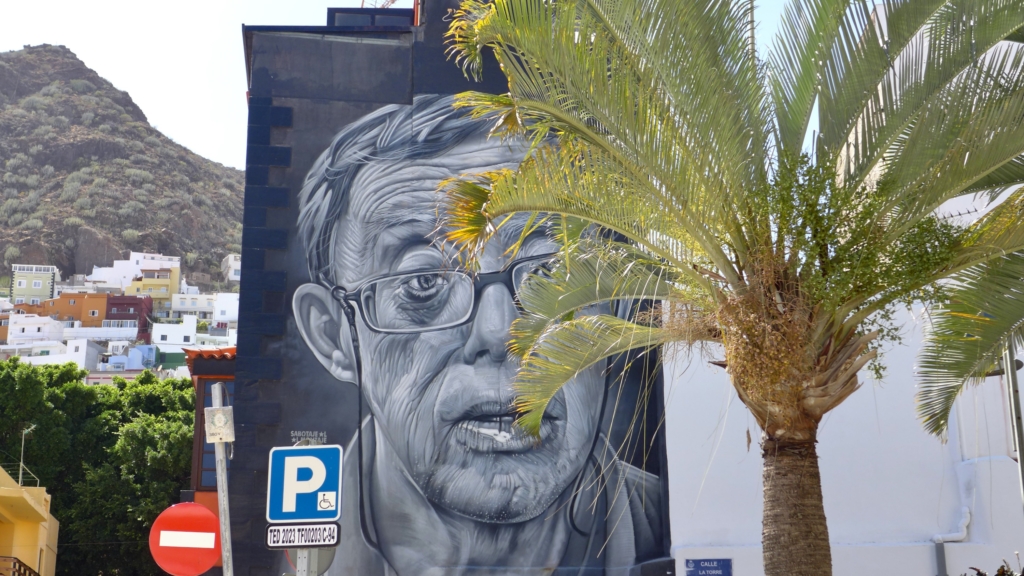
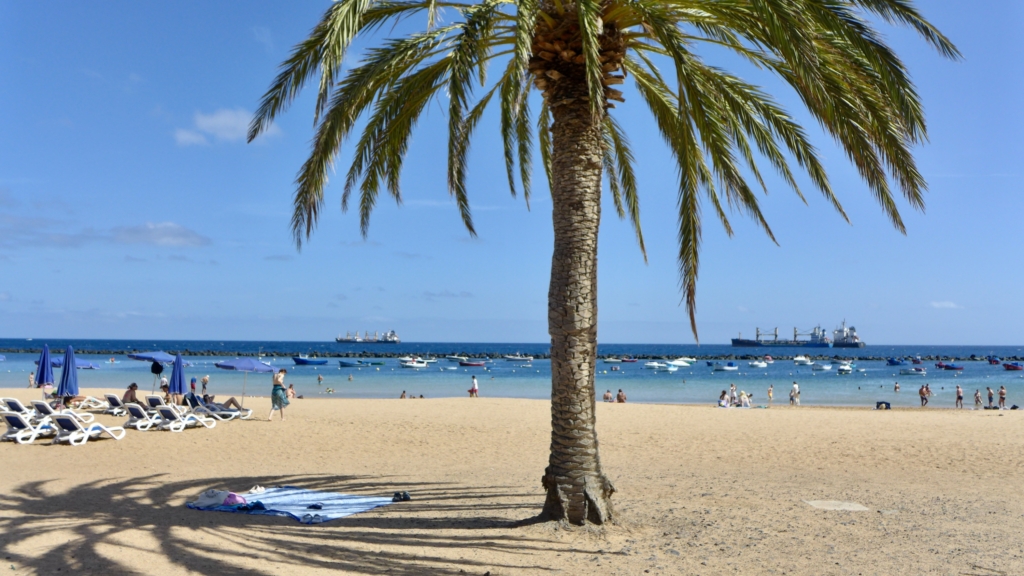
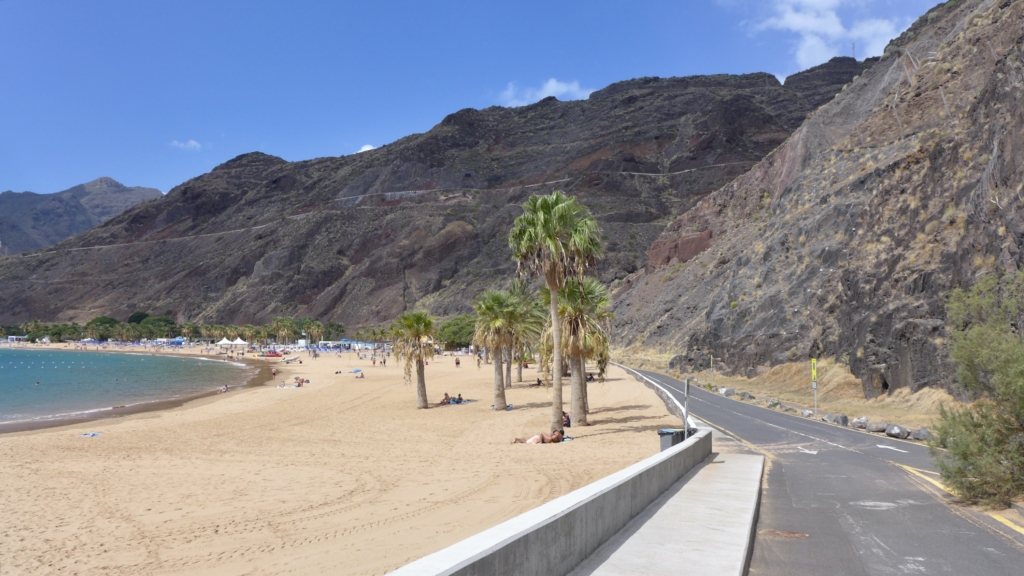
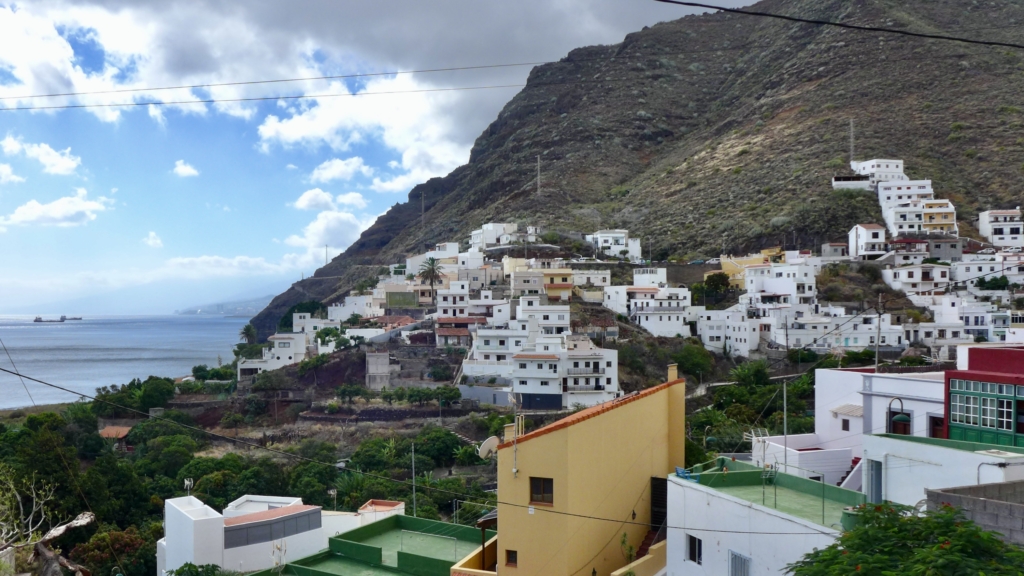
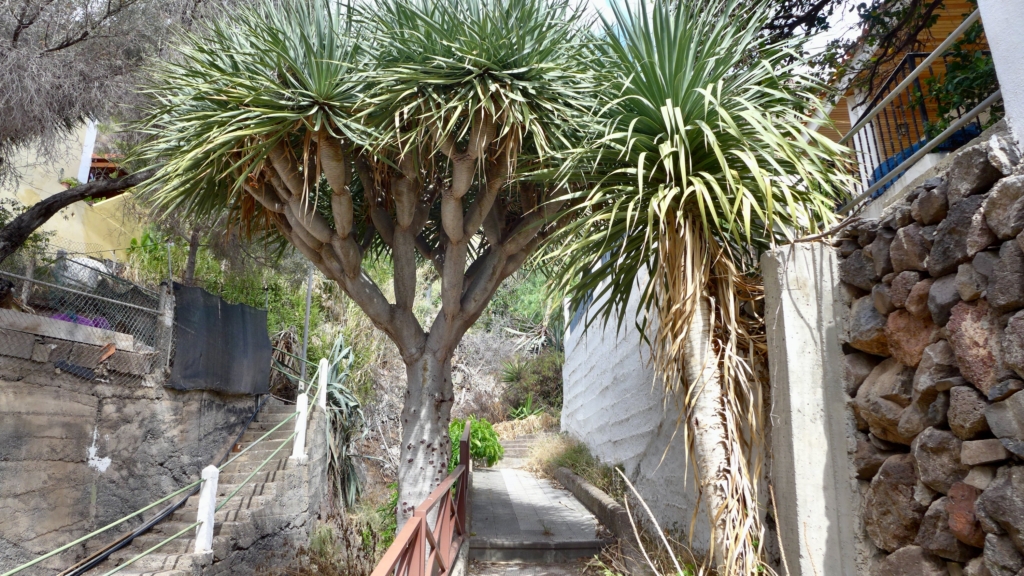
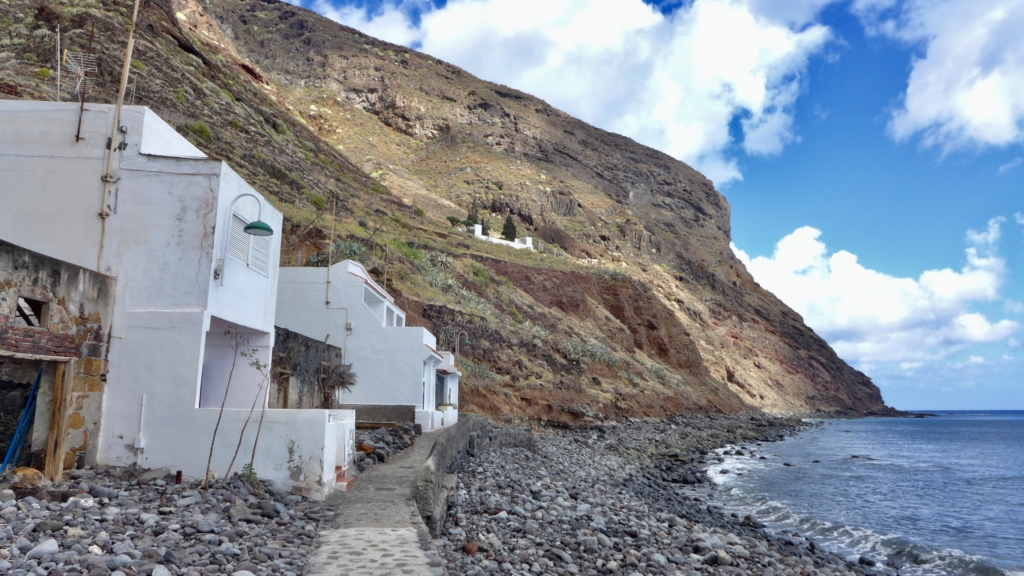
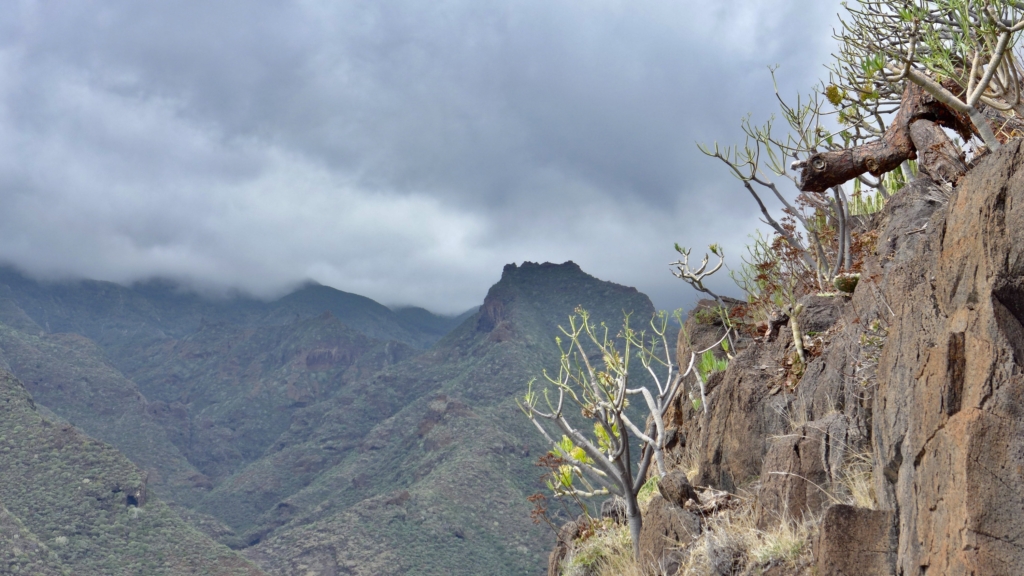
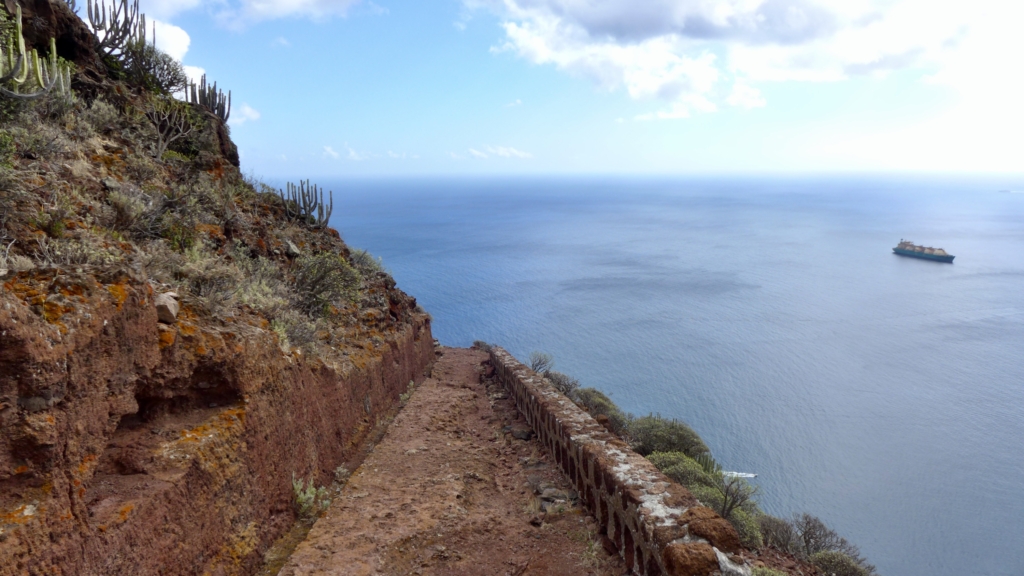
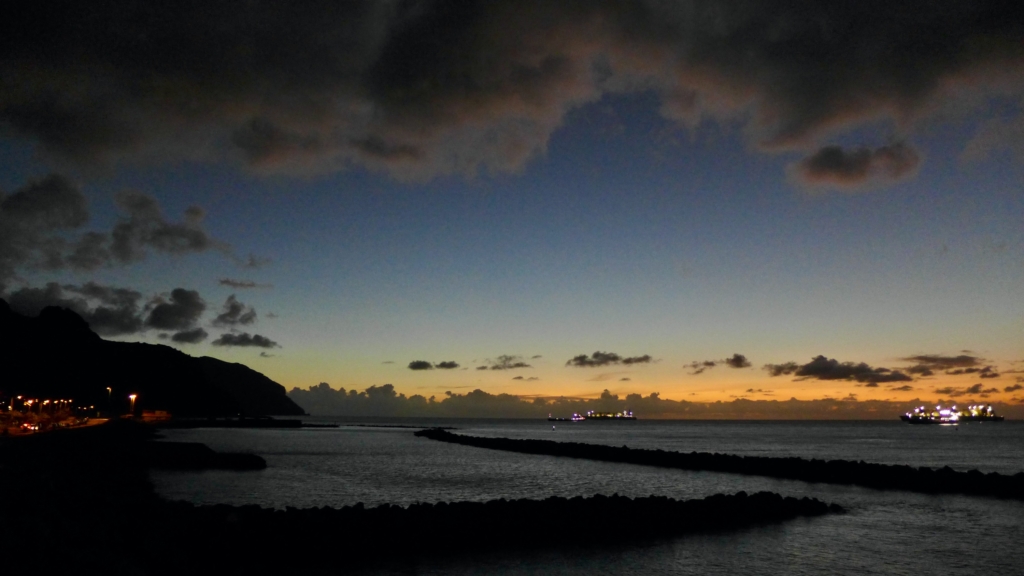
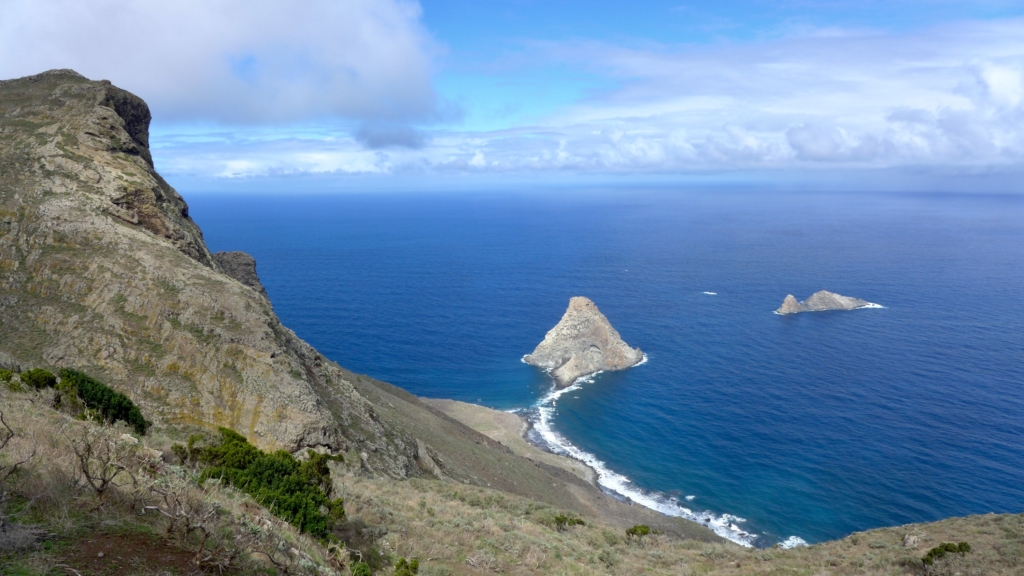
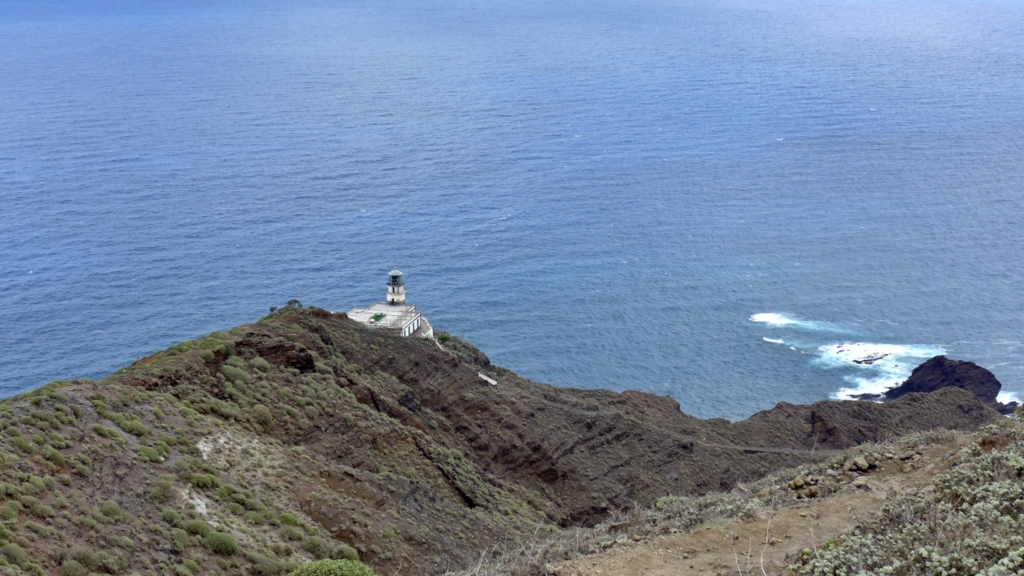
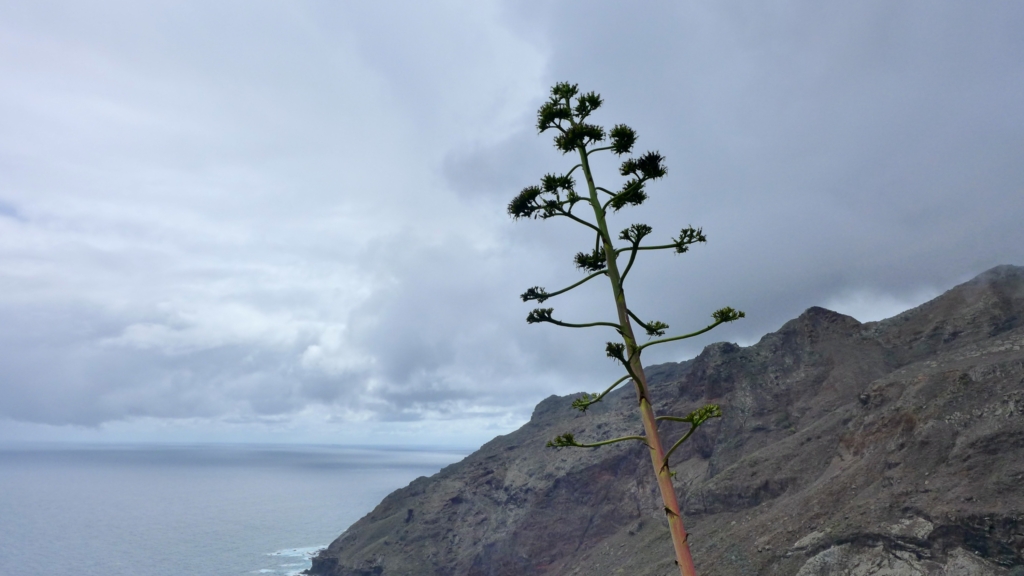
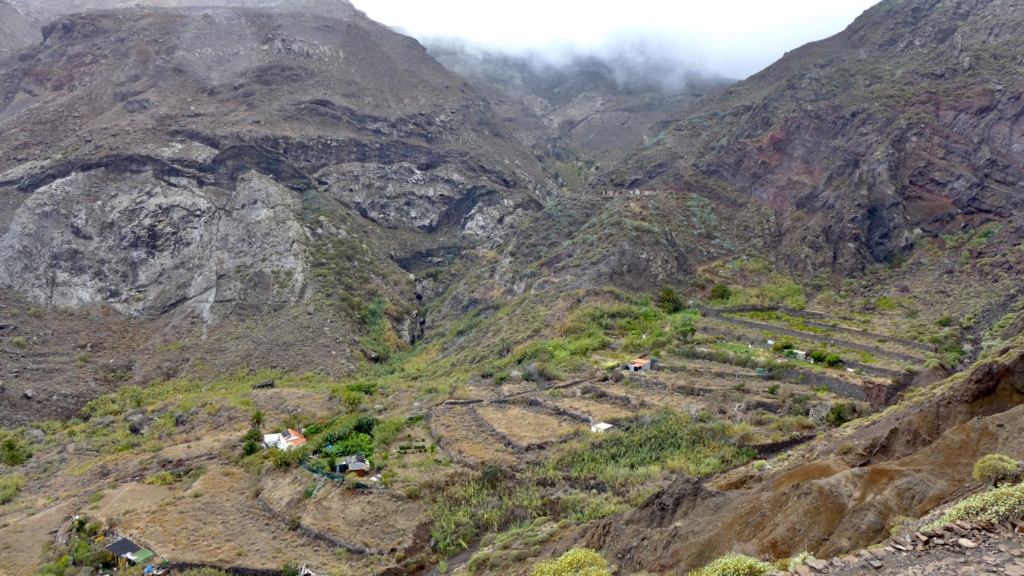
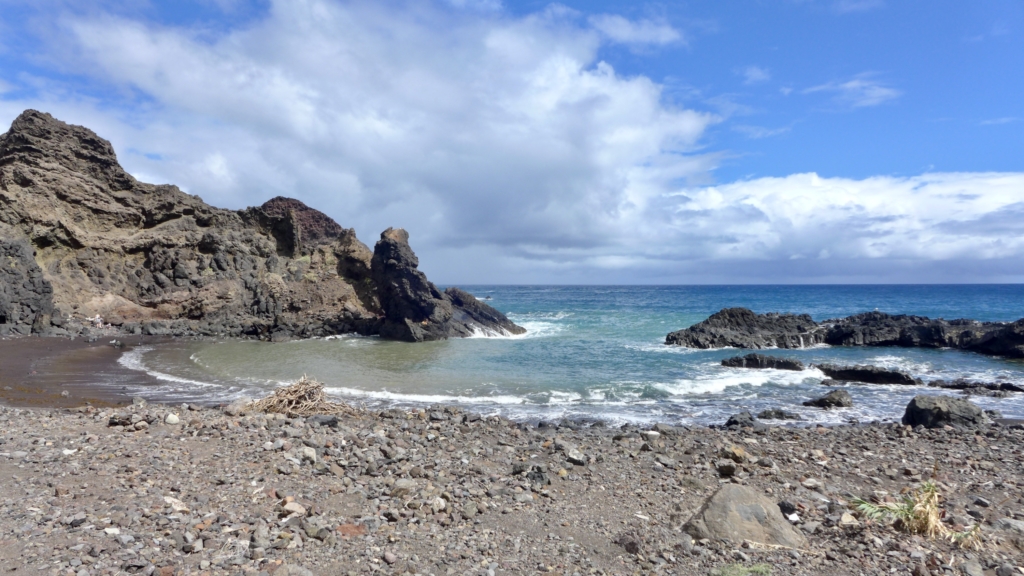
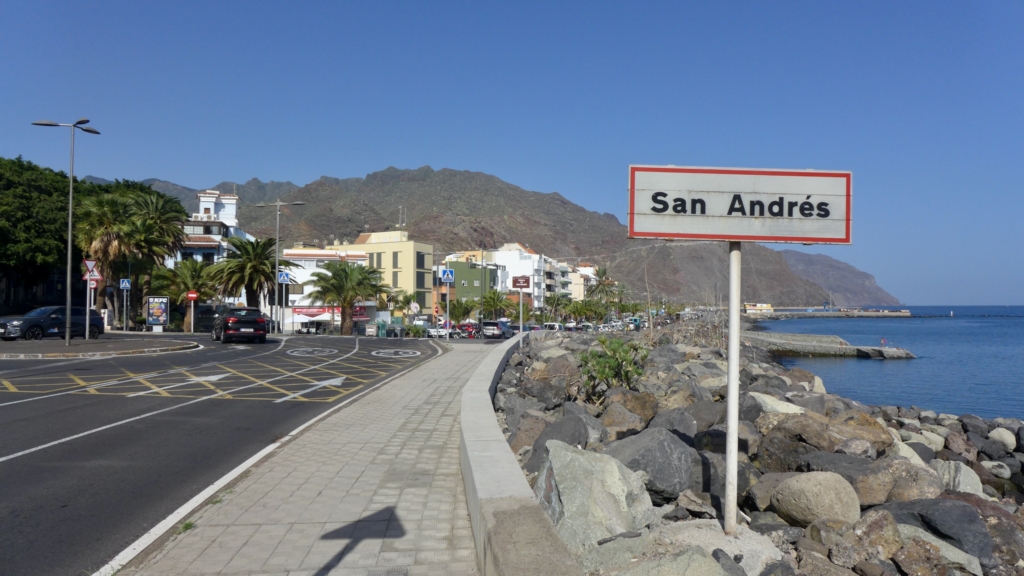
In between, I’ve also gone on a few hikes and go swimming regularly in San Andrés. All that I really enjoy, and it takes my mind off things.
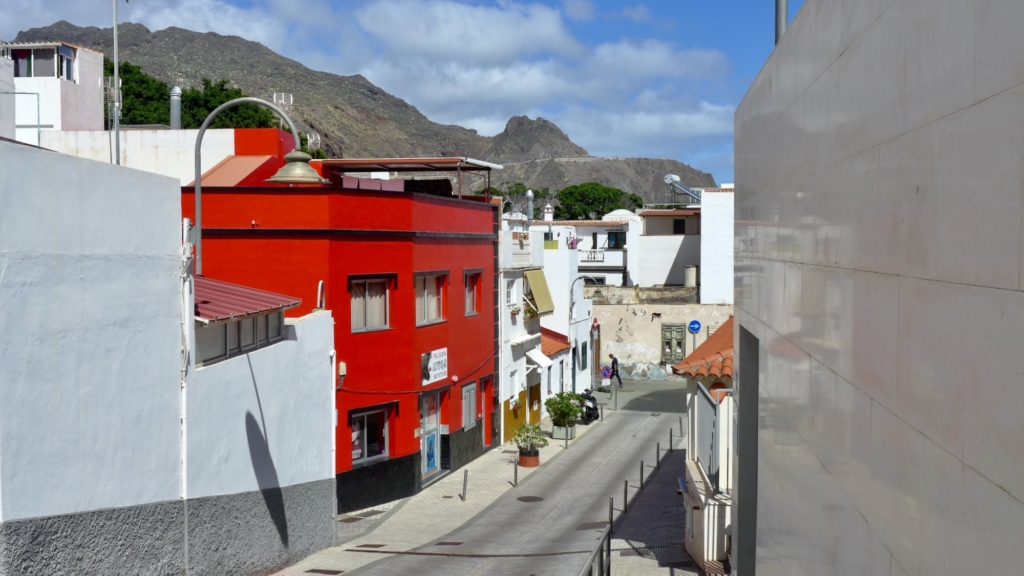
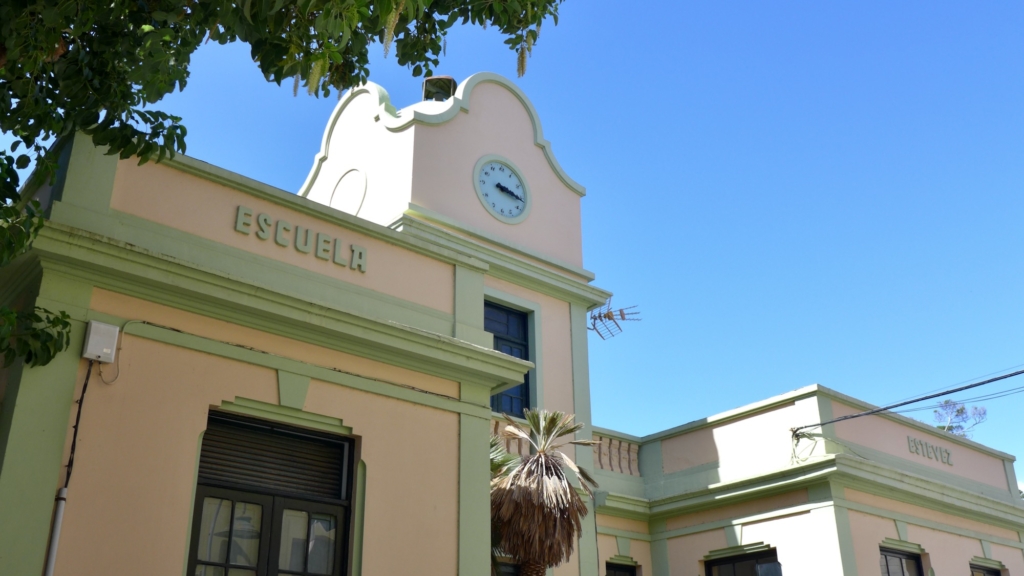

I will leave here next Sunday. The berth is just too expensive. I’ll most likely go to Gran Canaria and try my luck there. I’ll really miss the place and the people, but I hope we can stay in touch somehow.
Zissi, Zoe, and Levi and his girlfriend are coming to visit for Christmas, and I’m really looking forward to it. And who knows—maybe there will be new developments by then. Today, one of the young sailors asked me how things were going (since I’m pretty much the only outsider here, some of them know my plans), and I told him a little bit about it. He then said that whenever you think something isn’t working out, new doors open, and that everything will definitely turn out well. That really touched me, and I didn’t know what to say.